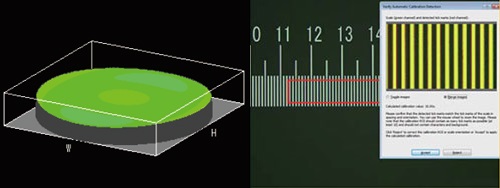
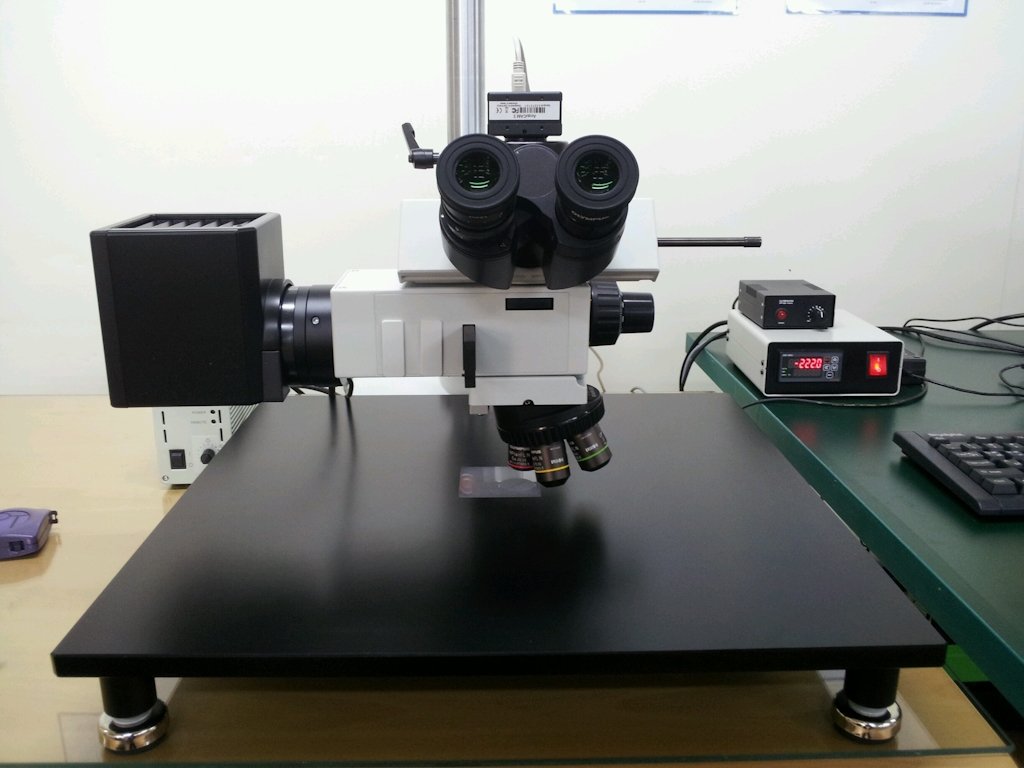
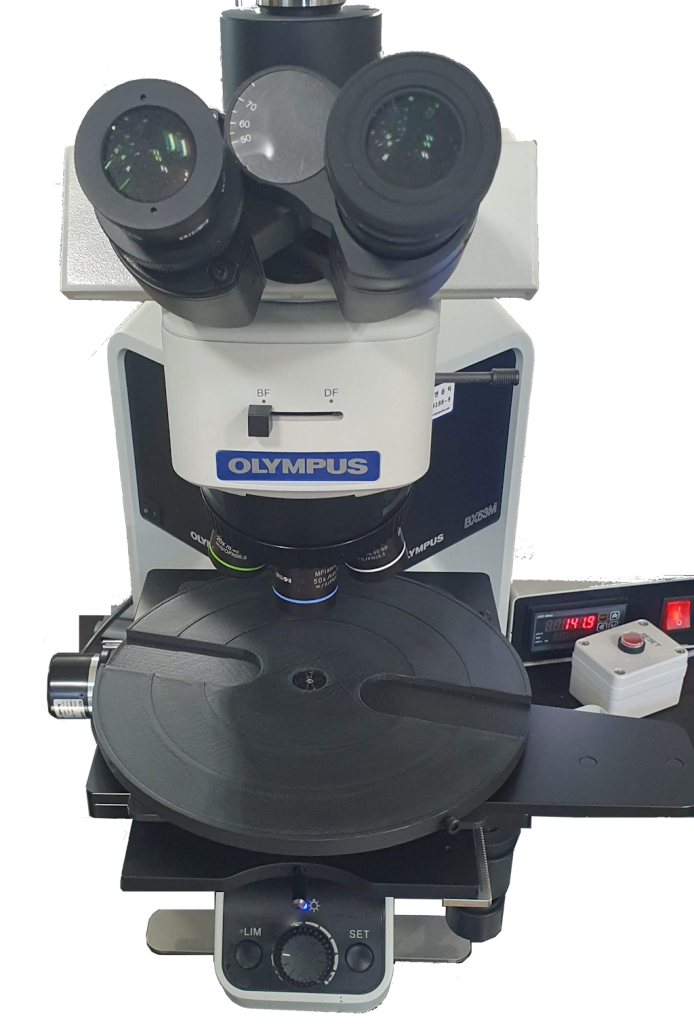
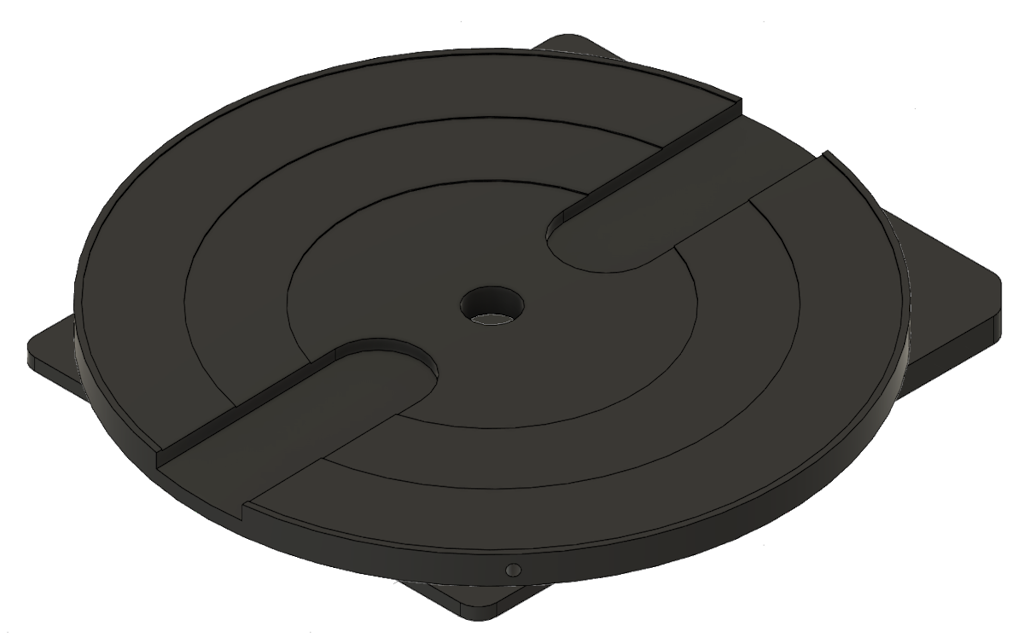
Glass Plate for Olympus IX series Cross stage with φ110mm opening ・10year free-repair service for glass breakage (Applied harden glass) ・With Plate LED Indicator ・Temp. setting range:Ambient – 60℃
Plate:110RX
Dimensions: φ110 Heating area: W70×D70 mm Glass thickness: 0.5 mm
Controller:TPi
Dimensions:W85×D135×H30 mm Weight:170 g Maximum power consumption:50W
Support Micrscope brand / Stage [Required adapter]
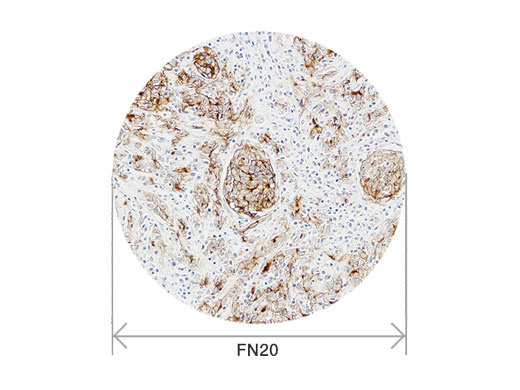
작동이 편하도록 설계된 CX23 현미경의 독특한 특징들은 학생과 교육 환경의 모든 요구 사항을 수용할 수 있습니다. 이 경제적인 현미경 시스템은 쉽고 안전한 조작을 바탕으로 시야범위 20 (Field Number_FN)의 넓은 시야와 뛰어난 광학 성능을 제공합니다. 또한, 내장 LED 광원 장치는 장 시간 동안 낮은 전력 소비만으로 균일하고 안정적인 조명을 제공하며, 청색 파장대의 감소로 표본의 생생한 색상을 유지합니다.
인체 공학적 그립
인체 공학적으로 사용자에 맞춰 설계된 CX23의 몰드형 그립은 현미경을 선반이나 높은 곳에서 안전하게 꺼내어 편안하게 이동할 수 있도록 합니다. 이에 덧붙여서, 파란색 표기는 현미경의 어느 곳을 잡아야 하는지 명확하게 표시합니다.
동급 대비 가장 가벼운 현미경
CX23은 동급 현미경 대비 가장 가벼운 현미경입니다 ( 5.9 kg ) .
안내선이 표기된 이안 경통
CX23은 손목에 무리를 주지 않고 자연스러운 자세로 옮길 수 있도록 올바른 손목과의 각도가 표기되어있습니다.
파손/손실 방지 고정형 접안렌즈
접안렌즈를 이동 시 파손이나 유실되지 않도록 고정할 수 있습니다.
이안 경통 고정을 위한 잠금 장치
회전형 이안 경통을 안전한 위치로 고정할 수 있습니다.
동공 간 거리와 안점 조절
48~75mm 범위에 이르는 접안 렌즈 거리 거리 조절 기능은 개별 사용자의 좌우측 동공간 거리와 일치 시키기 용이 하여 관찰의 편안함을 제공합니다.
안전성과 내구성이 향상된 흠집방지 재물대
흠집방지 재물대와 재물대 커버는 장기간의 사용에도 안전하고 안정합니다.
안전하고 부드러운 초점 조절
초점 잠금 장치(Focus lock)는 대물렌즈와 표본의 충돌을 막아 손상을 방지합니다.
미/조동 초점 조절
미/조동 동축 손잡이를 이용하여 초점을 신속하게 표본을 초점 위치로 이동 시킬 수 있습니다. 좌/우 어디에서도 이동 가능하고 정밀한 조작을 위한 내구성
높은 공간 활용성의 안쪽으로 향한 회전형 노스피스(Revolving Nosepiece)
안쪽으로 향한 회전형 노스피스(Revolving Nosepiece) 디자인의 CX23은 손쉽게 표본을 장착하면서 이머전 오일 대물렌즈를 사용할 수 있습니다.. 이 디자인은 재물대 위의 공간을 확보하여, 긴 작동거리(Long Working Distance)형 대물렌즈로부터 표본을 보호합니다.
케이블 저장 공간
CX23 후면 저장 공간에 전원코드를 쉽게 정리할 수 있습니다.
도난 방지용 잠금 장치
아무도 없이 CX23이 홀로 남겨져 있어도 내장된 보안 장치(Built-in Security Slot)에 도난 방지 케이블(Antitheft Cable)을 연결하면 안심할 수 있습니다.
뛰어난 광학 성능 – FN 20
CX23은 동급 사양의 기본 현미경보다 더 넓은 시야의 관측이 가능합니다.
청색이 감소된 균일한 LED 조명
LED 광원은 20,000시간 이상의 긴 수명과 저전력이라는 장점을 가지고 있습니다. 또한, 청색 계열의 감소로 HE 염색의 선명한 색상을 유지합니다.
항진균 처리
덥고 습한 환경에서의 사용 시, 대부분의 현미경들은 이끼나 기타 진균류에 취약합니다. CX23의 대물렌즈와 접안렌즈, 그리고 경통은 항진균 처리(anti-fungus treatment)되어 최적의 관측 환경과 높은 내구성을 가집니다.
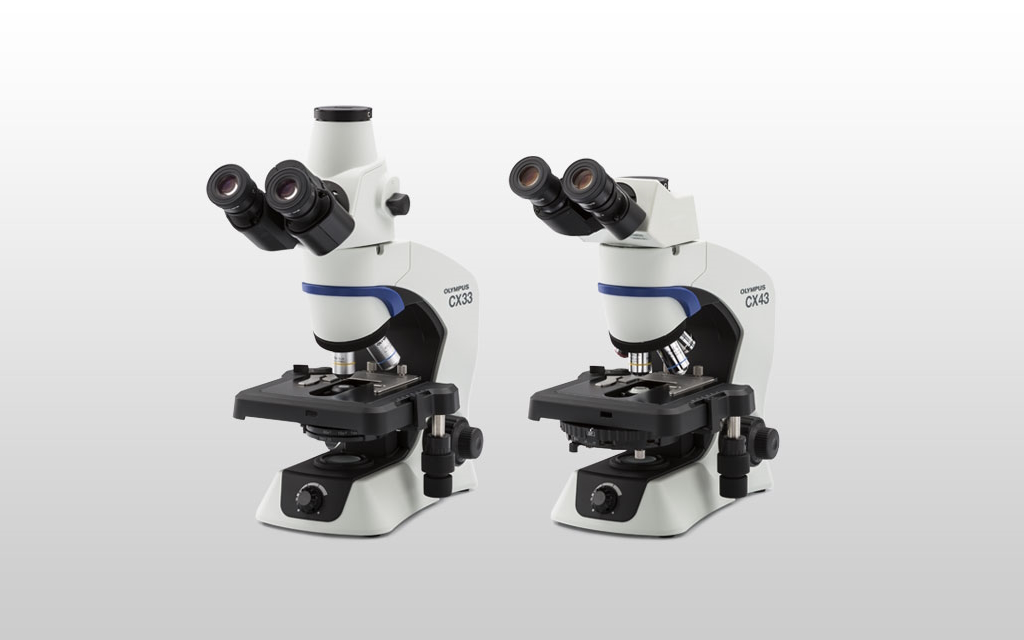
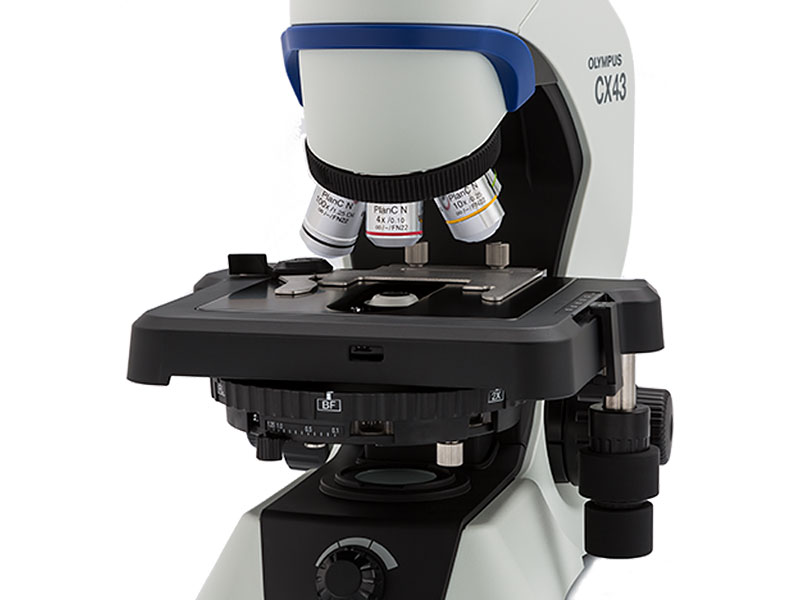
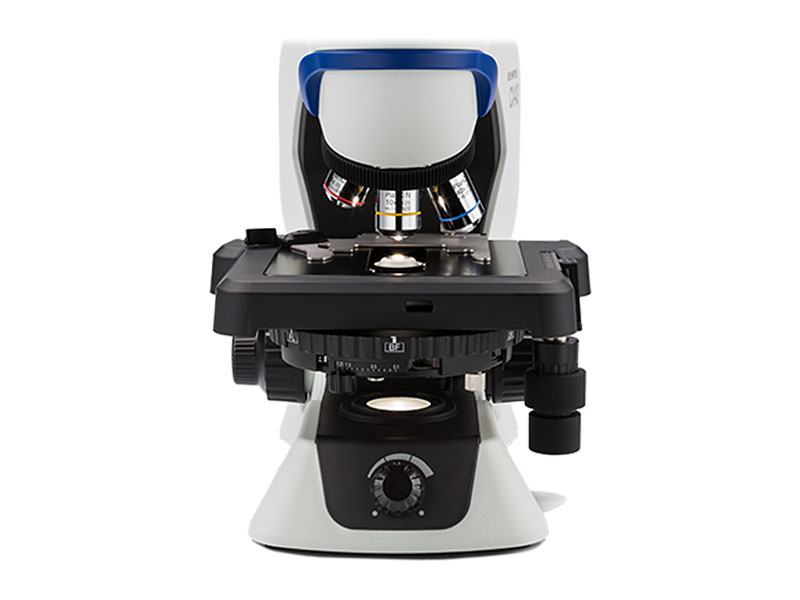
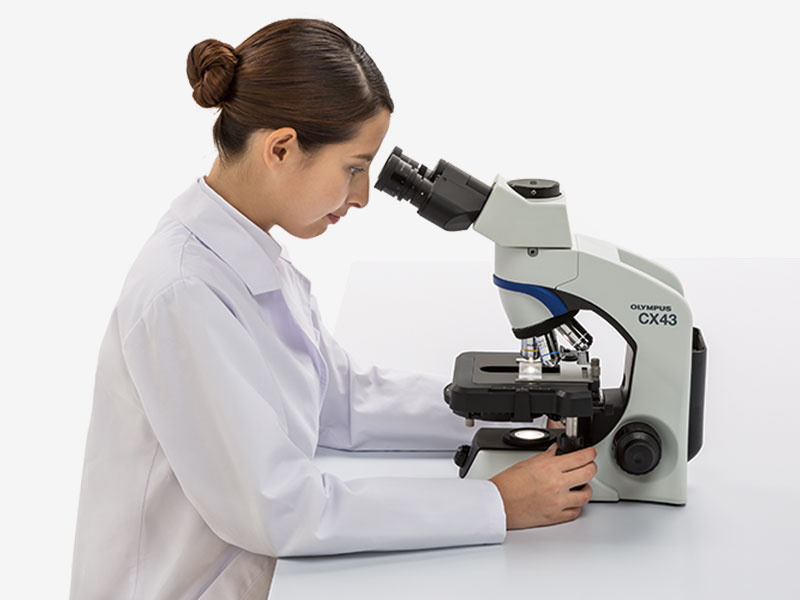
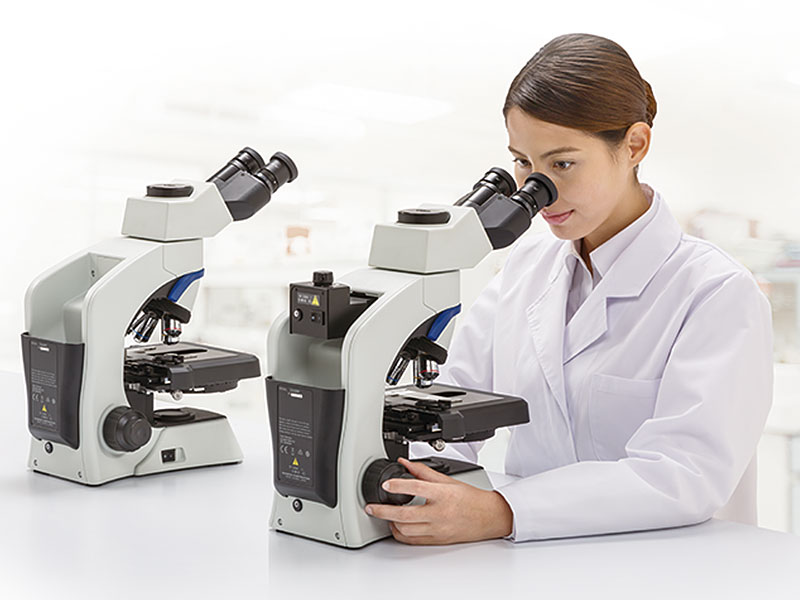
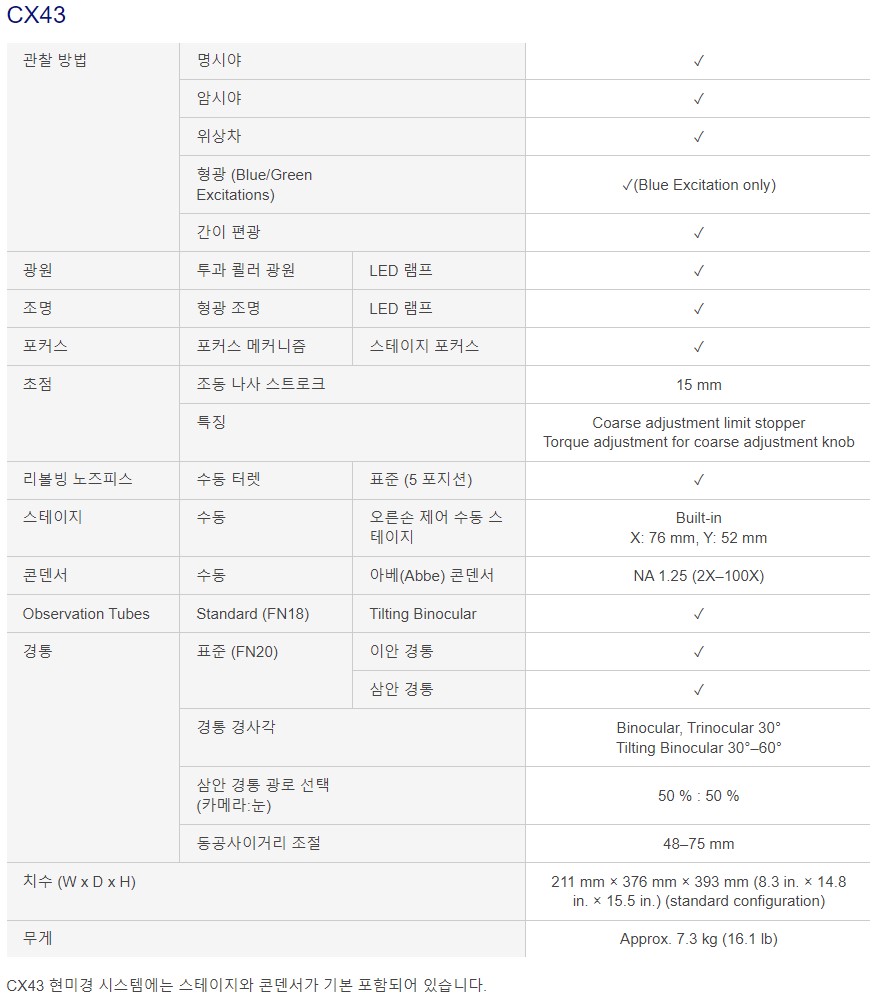
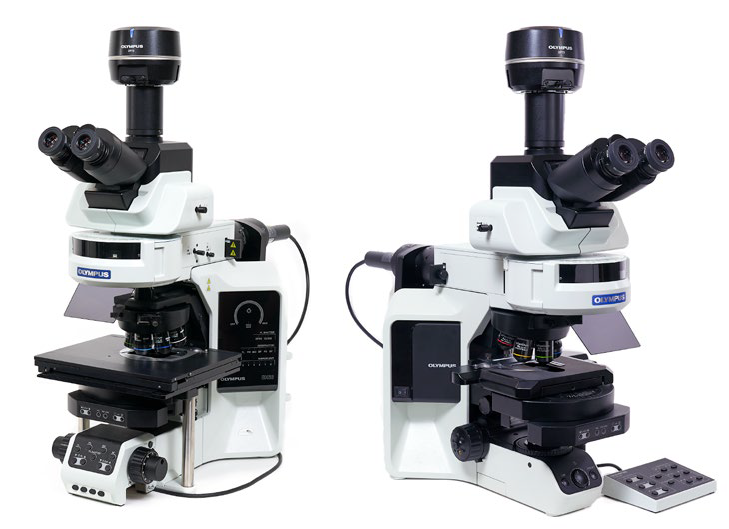
CX43/CX33은 일상적인 현미경 검사를 편안하게 수행할 수 있도록 인체공학적 효율성을 추구한 생물 현미경입니다. 종래의 현미경에 비교하면 낮은 레볼버, 낮은 스테이지, 손을 책상에 둔 채 조작할 수 있는 포커스 핸들 등에 의해, 표본의 교환이나 포커싱(초점) 조정을 적은 움직임으로 조작 할 수 있어 장시간의 관찰에 있어도 쾌적한 사용이 가능합니다. 또한, 다양한 관찰법에도 적용 할 수 있습니다.
Excellent Optical Performance for Flat Images for CX43 & CX33
시야 주변까지 선명한 관찰상
가성비가 좋고, 넓은 시야까지 수차가 없는 Plan 대물 렌즈를 사용하여 시야 주변까지 선명한 관찰이 가능합니다.
Remain Comfortable during Extended Usage for CX43 & CX33
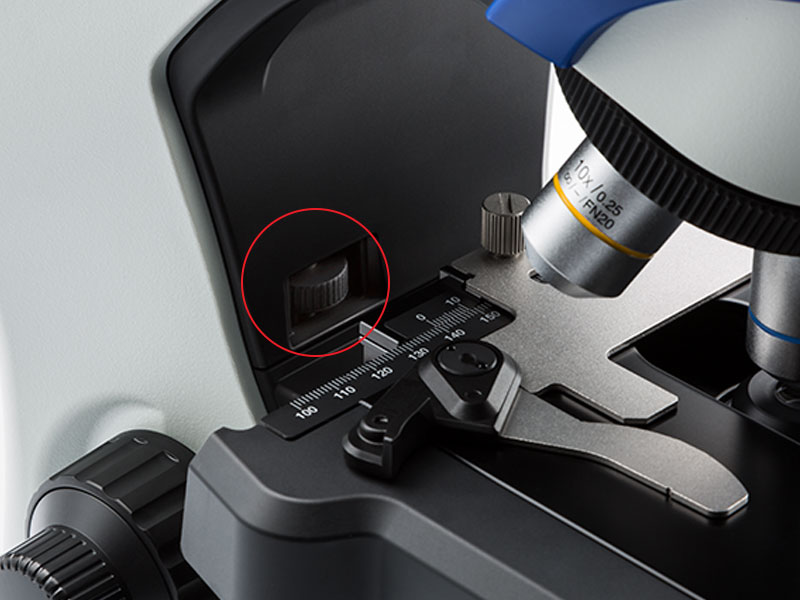
고배율 대물렌즈로 관찰 시, 스테이지 후면의 조동 스토퍼가 대물 렌즈와 샘플의 접촉을 방지하여, 샘플과 대물렌즈의 파손 위험을 줄일 수 있습니다.
Smooth Magnification Change
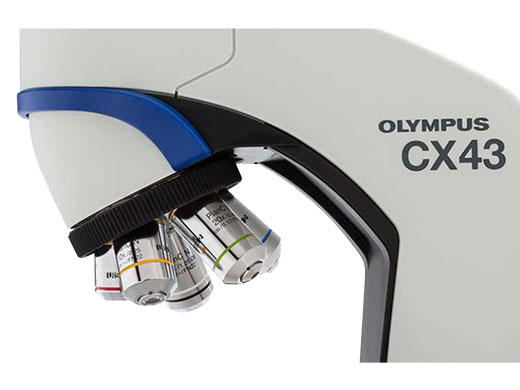
낮은 위치 리볼버로 빠르게 배율을 변경 낮은 위치에 있는 레볼버는 포커스 핸들과의 거리가 가깝기 때문에 적은 팔의 움직임으로 빠른 배율을 변경이 가능합니다.
Specimen Holders that Match Your Observation Style for CX43 & CX33Contrast Enhancement with a Simple Aperture Stop Operation for CX43 & CX33Contrast Enhancement with a Simple Aperture Stop Operation for CX43 & CX33
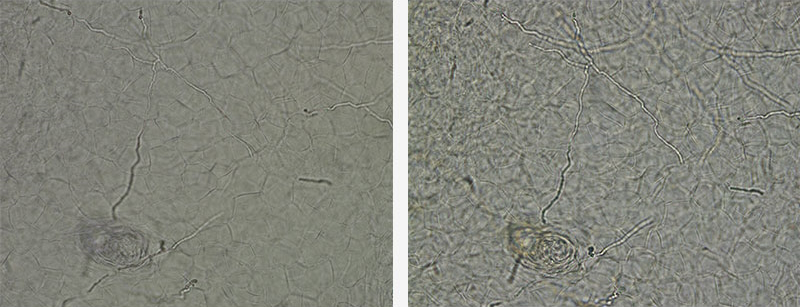
Aperture 조리개 조작으로 콘트라스트 강조 상기 이미지에서 우측 이미지와 같이 Aperture 조리개를 좁히는 것으로 contrast를 강조하는 효과를 얻을 수 있습니다.
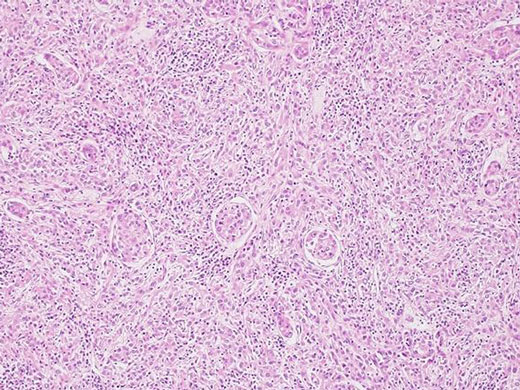
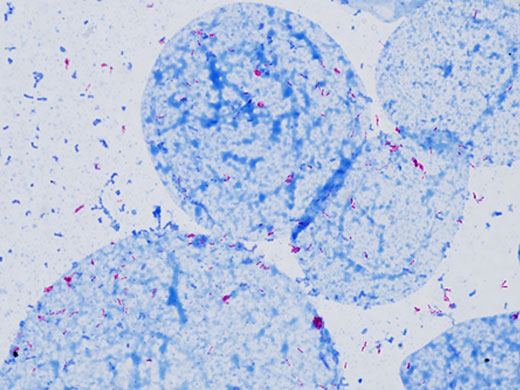
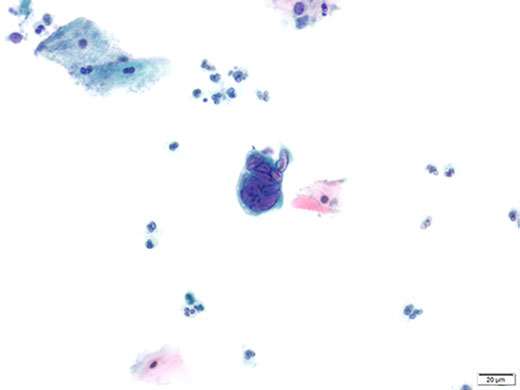
Bright Field Image with CX43 & CX33 – Sample : kidneyBright Field Image with CX43 & CX33 Sample : Tuberculosis bacteriaBright Field Image with CX43 & CX33 Sample : Cervical cells
CX43/CX33은 일상적인 현미경 검사를 편안하게 수행할 수 있도록 인체공학적 효율성을 추구한 생물 현미경입니다. 종래의 현미경에 비교하면 낮은 레볼버, 낮은 스테이지, 손을 책상에 둔 채 조작할 수 있는 포커스 핸들 등에 의해, 표본의 교환이나 포커싱(초점) 조정을 적은 움직임으로 조작 할 수 있어 장시간의 관찰에 있어도 쾌적한 사용이 가능합니다. 또한, 다양한 관찰법에도 적용 할 수 있습니다.
Consistent Color Temperature Fixed Köhler Illumination
자연스러운 색상으로 관찰할 수 있는 긴 수명의 LED 광원 검사에 적합한 백색 LED로 자연스러운 색상 재현 밝고 주광색에 가까운 LED 광원은, 필터에 의한 색조 조정을 하는 일 없이, 자연스러운 색조로 표본을 관찰할 수 있습니다. LED 광원은 60,000시간으로 긴 수명을 가지고 있어, 램프 교환의 번거로움을 줄일 수 있고, 장시간에 걸쳐서 조명의 성능을 유지합니다.
Köhler 조명 조정 없이 관찰 조건 유지 CX43 및 CX33 현미경은 고정식 Köhler 조명을 제공하므로 콘덴서를 조정하지 않고도 적절한 조명을 얻을 수 있습니다.
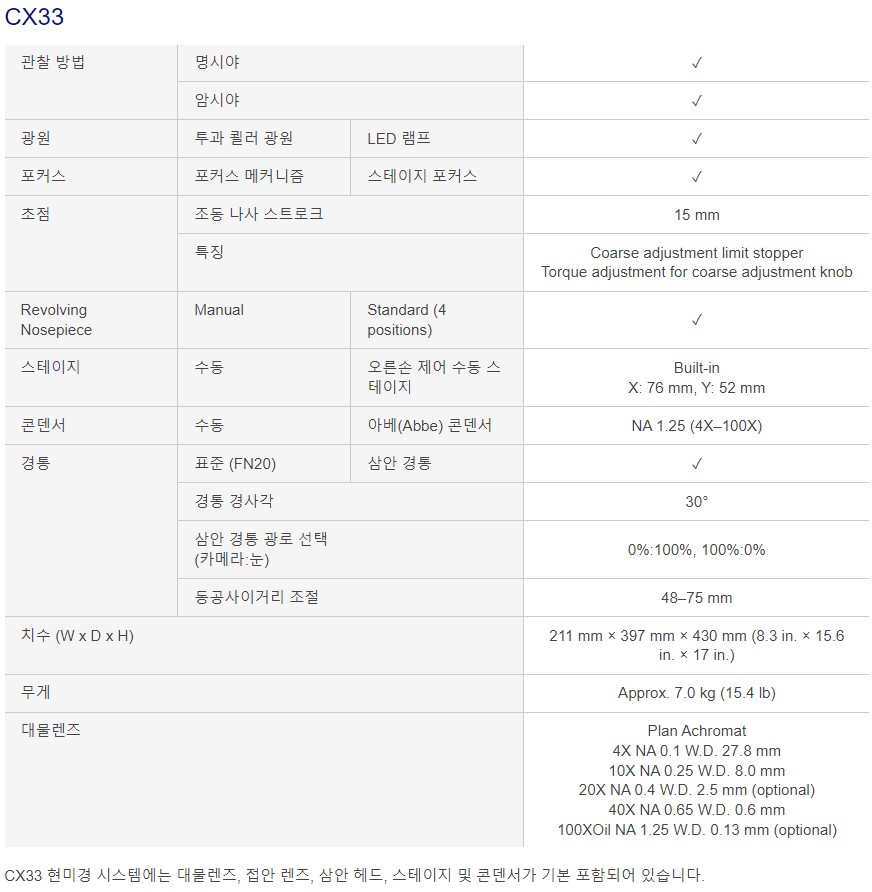
CX43의 콘덴서는 2X에서 100X까지 대물렌즈에 대응할 수 있으며, CX33은 콘덴서는 4X에서 100X까지 대물렌즈에 대응합니다
Excellent Optical Performance for Flat Images for CX43 & CX33
시야 주변까지 선명한 관찰상 가성비가 좋고, 넓은 시야까지 수차가 없는 Plan 대물 렌즈를 사용하여 시야 주변까지 선명한 관찰이 가능합니다.
Remain Comfortable during Extended Usage for CX43 & CX33Remain Comfortable during Extended Usage for CX43 & CX33
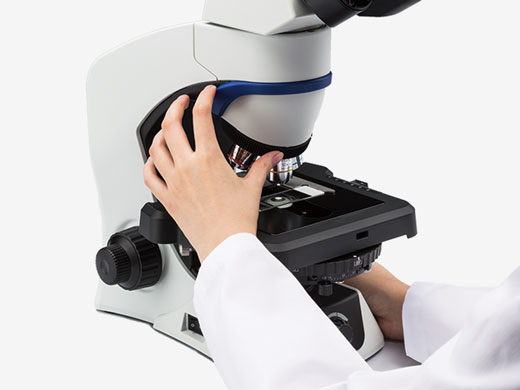
인체공학적으로 배치된 초점 손잡이 낮은 위치의 초점 손잡이를 사용하여 책상 위에 손과 팔뚝을 놓고 편안한 자세를 유지하면서 관찰을 수행할 수 있습니다. 초점 스토퍼는 고배율에서 작업할 때 표본이 실수로 대물렌즈와 부딪히는 것을 방지합니다. 인체 공학적 스테이지 및 접안 렌즈의 위치 – 편안함을 높이고 피로를 줄여주는 낮은 위치의 스테이지 – 표본을 원활하게 설정하고 확인할 수 있도록 시선 위치의 스테이지 가시성 – 가벼운 터치만으로 제어 가능하며, 표본을 신속하고 편안하게 볼 수 있게 해주는 낮은 위치의 스테이지 손잡이
Smooth Magnification Change
낮은 위치 리볼버로 빠르게 배율을 변경 낮은 위치에 있는 레볼버는 포커스 핸들과의 거리가 가깝기 때문에 적은 팔의 움직임으로 빠른 배율을 변경이 가능합니다.
Supports Up to Five Objectives for CX43
최대 5개의 대물렌즈 지원 유연성을 높이기 위해 회전식 노즈피스에 최대 5개의 UIS2 대물렌즈를 지원합니다. 일반적인 대물렌즈 외에도 넓은 면적 관찰을 위한 2배율 대물렌즈 또는 위상차용 대물렌즈를 선택할 수 있습니다.
Keep Your Desired Contrast Level and Observation Setting
Aperture 조리개를 일정한 위치에서 고정하여 오조작을 방지 CX43은 개구(Aperture) 조리개를 고정할 수 있어서 일정한 조리개 상태로 관찰을 유지 할 수 있습니다. 개구 조리개를 기본 위치에 고정할 수 있기 때문에 조작의 실수를 줄일 수 있습니다.
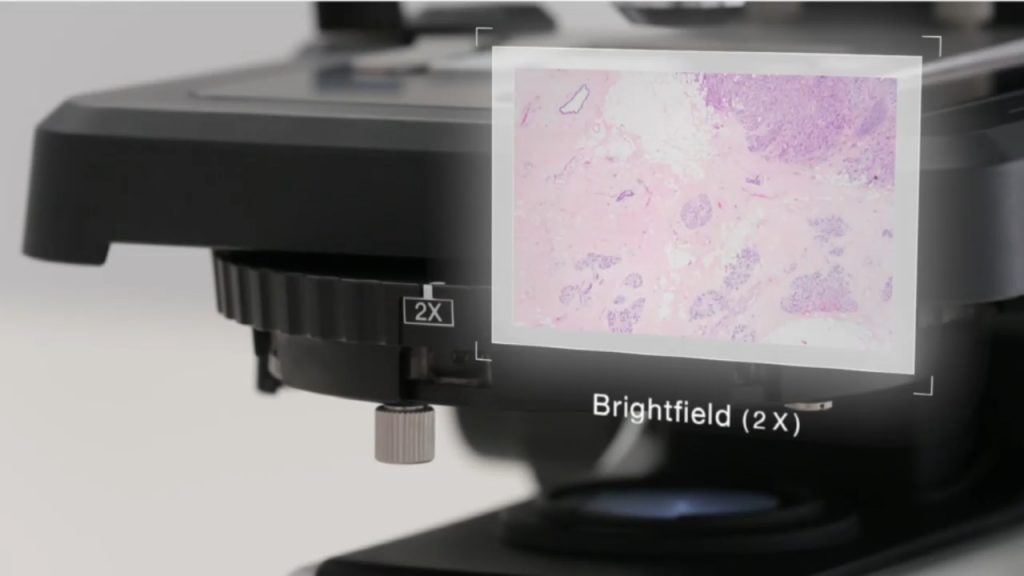
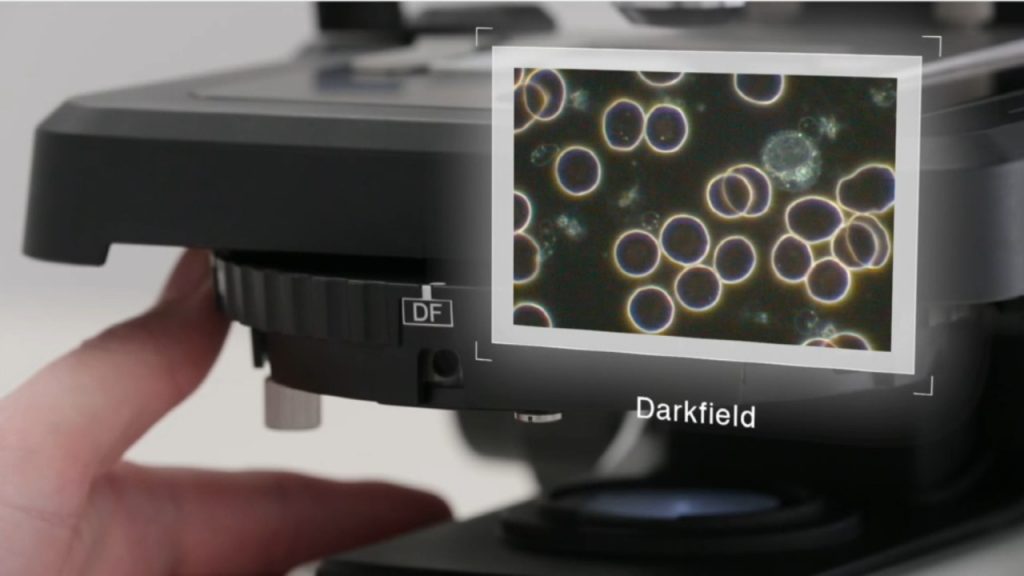
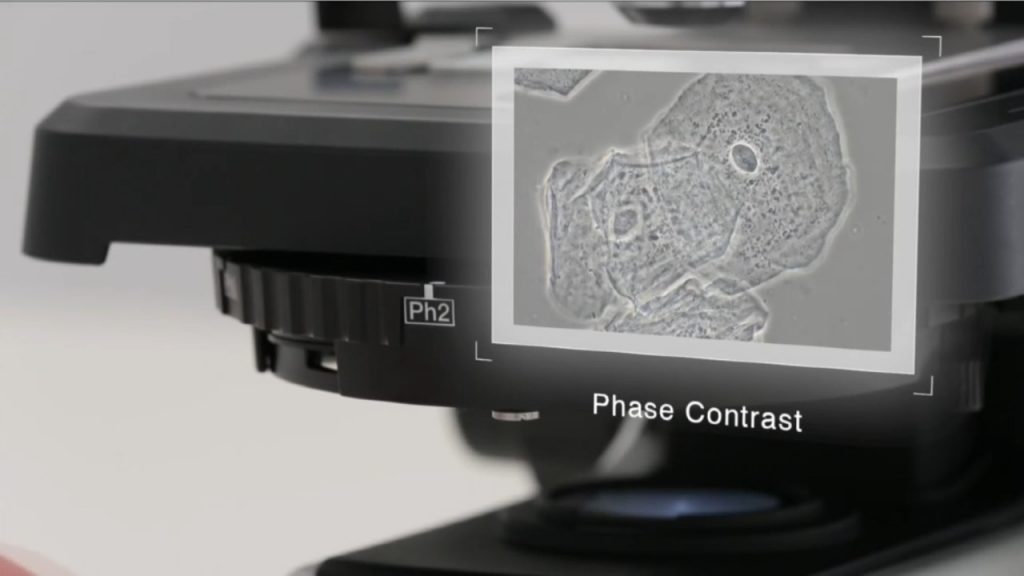
– Brightfield – DarkfieldFlexibility for Multiple Applications: for CX43 – Phase contrast
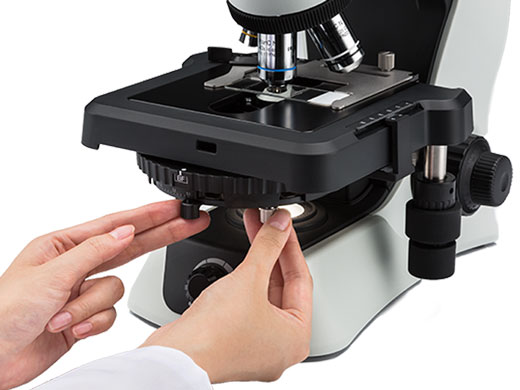
다양한 관찰법을 사용 가능한 유니버설 콘덴서 CX43은 유니버설 콘덴서를 탑재해 명시야 관찰, 암시야 관찰, 위상차 관찰, 형광 관찰, 간이 편광 관찰 등 다양한 관찰법이 사용가능합니다. 콘덴서는 2X에서 100X까지의 대물렌즈와 조합하여 관찰이 가능하고, 터렛 회전이나 탑 렌즈의 이동과 같은 번거로움이 없어, 관찰 시간을 절약하고 조작 실수를 줄일 수 있습니다.
Simple Fluorescence Observation for CX43Simple Fluorescence Observation for CX43Simple Fluorescence Observation
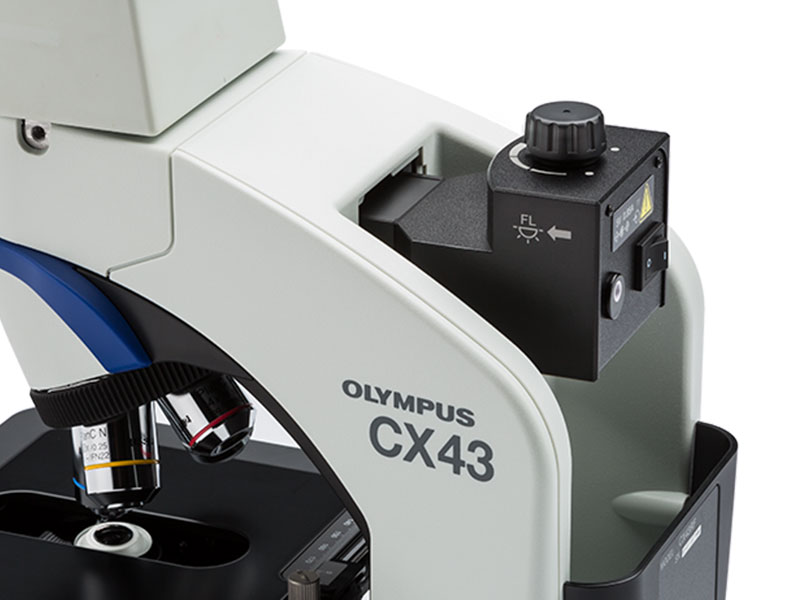
콤팩트한 형광 LED유닛을 사용 가능 CX43은 컴팩트한 전용 형광 유닛을 후면에서 꽂는 것만으로 형광 현미경 관찰을 할 수 있습니다. 60,000시간의 긴 수명 LED 광원을 채용하고 있어 램프 교환이나 번거로운 조정이 불필요합니다. 콘덴서의 터렛을 FL(형광 관찰)로 선택하면 컨덴서와 같은 샘플 하단의 광로로부터의 노이즈가 차단되기 때문에 백그라운드 노이즈가 적은 선명한 형광 관찰이 가능합니다. 콘덴서의 탑 렌즈를 광로에서 벗어나게 선택 하시면 더욱 백그라운드 노이즈를 줄일 수 있습니다.
Specimen Holders that Match Your Observation Style for CX43 & CX33Specimen Holders that Match Your Observation Style for CX43 & CX33
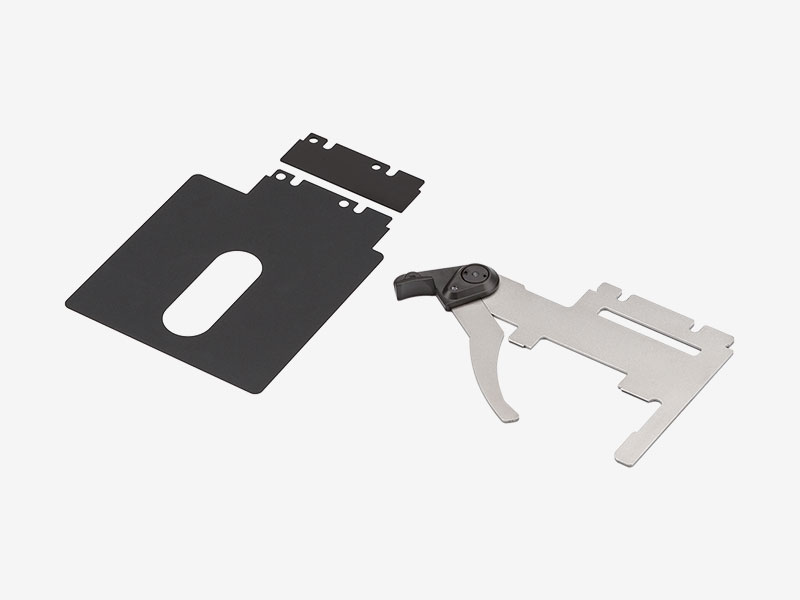
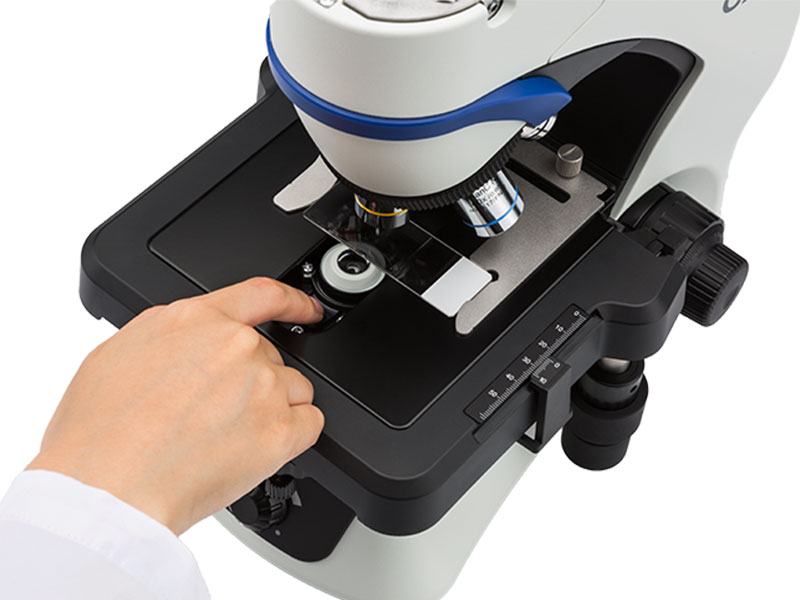
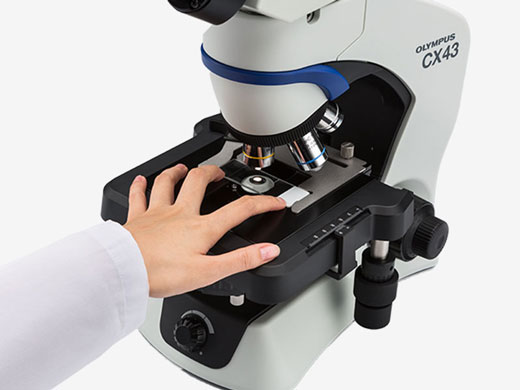
관찰 스타일에 따른 크렌멜 제공 2개의 표본 동시에 끼워 비교하면서 관찰할 수 있는 크렌멜을 표준 장비해, 다양한 종류의 표본에 대응하고 있습니다. 옵션인 플레인 크렌멜은 표본을 홀더에 끼울 필요 없이 단지 표본을 시트 위에 놓기만 해도 쉽게 표본 이동이 가능합니다.
Contrast Enhancement with a Simple Aperture Stop Operation for CX43 & CX33
Aperture 조리개 조작으로 콘트라스트 강조 상기 이미지에서 우측 이미지와 같이 Aperture 조리개를 좁히는 것으로 contrast를 강조하는 효과를 얻을 수 있습니다.
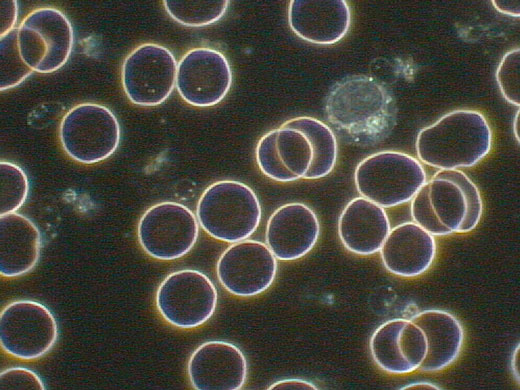
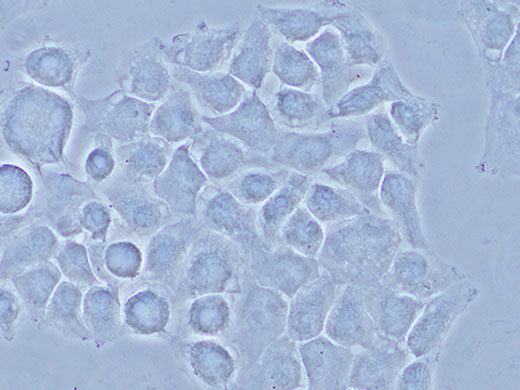
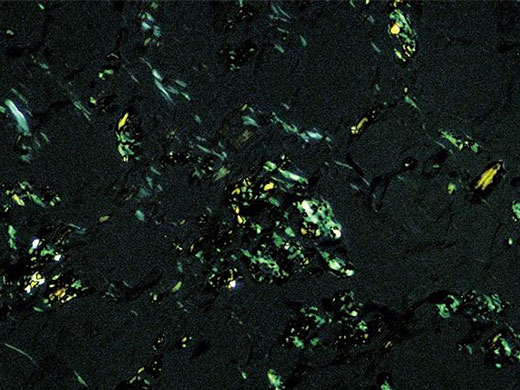
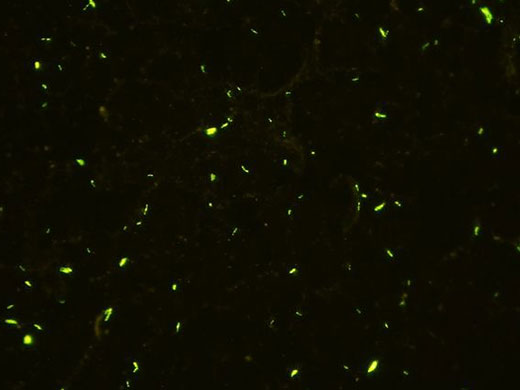
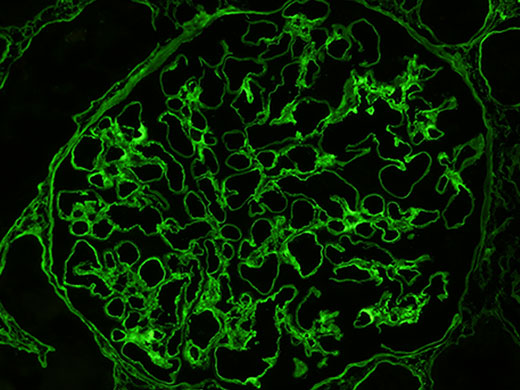
Bright FieldImage with CX43 & CX33 Sample : Tuberculosis bacteriaBright Field Image with CX43 & CX33 – Sample : kidneyBright FieldImage with CX43 & CX33 Sample : Cervical cellsDarkfield Image with CX43 & CX33 Sample : Erythrocytes and leukocytesPhase Contrast Image with CX43 – Sample : HeLa cellsSimple Polarization Image with CX43 – Sample : AmyloidFluorescence Image with CX43 – Sample : Tuberculosis bacteriaFluorescence Image with CX43 – Sample : Renal glomerulus
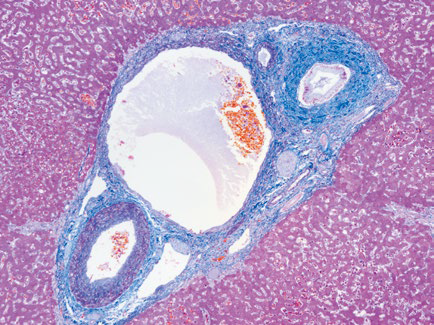
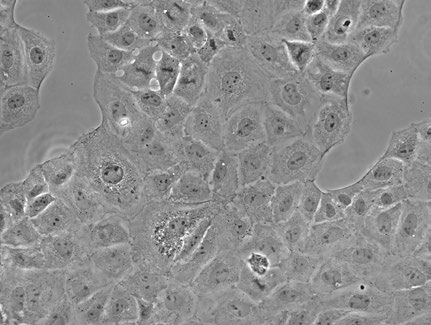
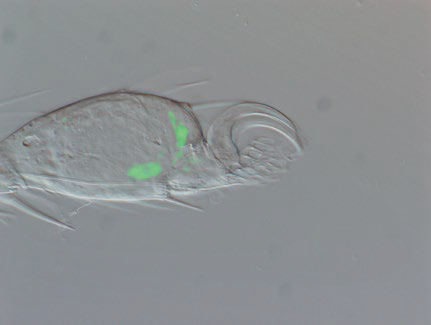
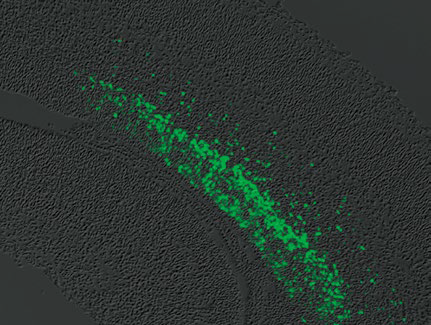
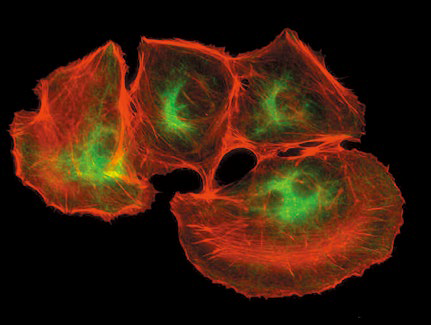
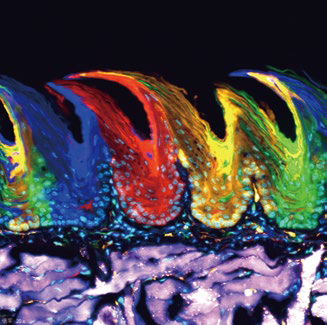
Liver (Azan Stain)NRK-52E Cells (Phase Contrast)Distal Tip of a Drosophila Limb (DIC&GFP)Brain Section of Mouse at Embryonic Day 15 (GFP)NRK-52E Cells (Alexa Fluor 488&Alexa Fluor 546)Rainbow Mouse
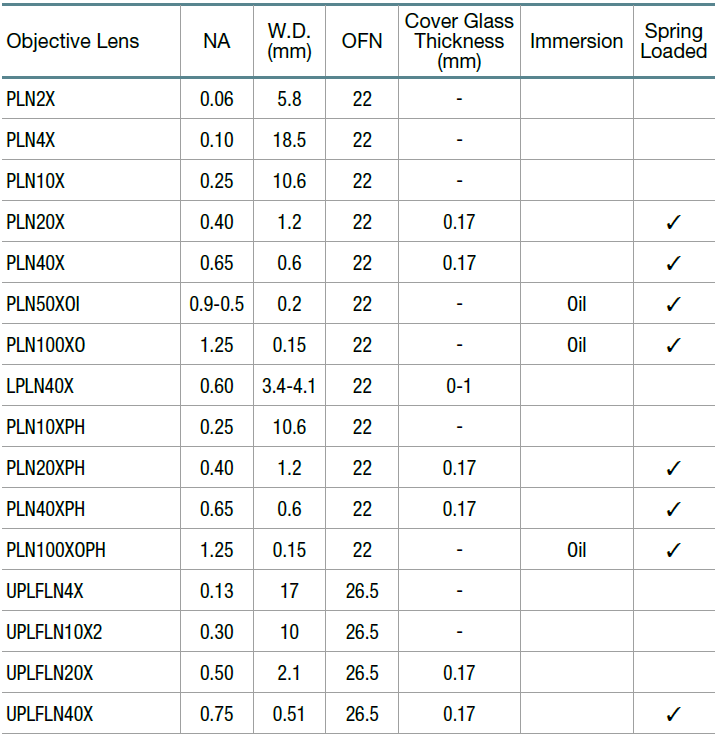
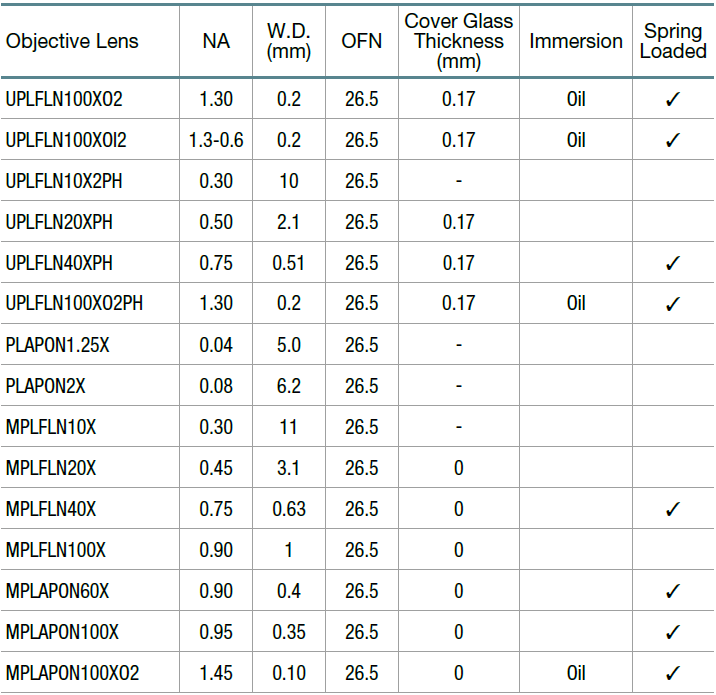
UIS2 Objectives ( 대물렌즈 ) for BX53
UIS2 Objectives for BX53
UIS2 Objectives for BX53
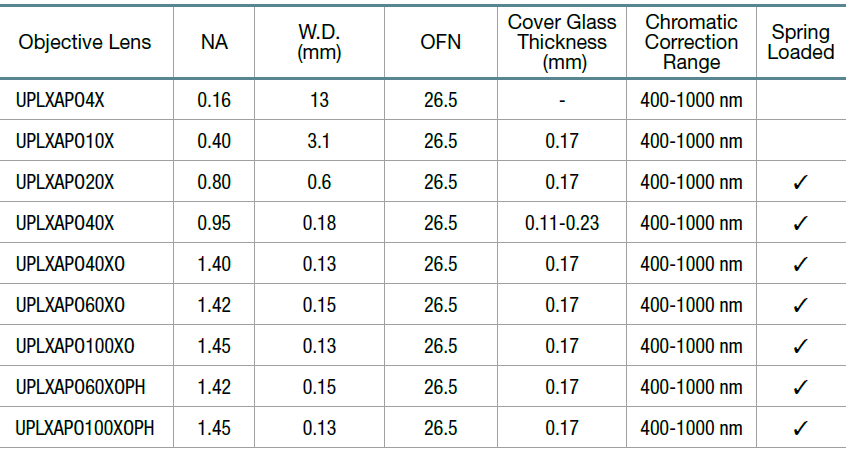
X Line UPLXAPO
UIS2 X Line Objectives for BX53
X Line UPLXAPO는 기존의 대물렌즈보다 더 큰 NA , 더 나은 이미지 평탄도 및 더 넓은 파장대역에서의 색수차 보정이 가능한, 보다 향상된 광학 성능을 제공합니다.
대물렌즈는 샘플을 확대하는 유닛입니다. 대물렌즈는 샘플의 조건을 명확히 규정하고 있기때문에, 관찰하고자 하는 샘플의 조건에 적합한 대물렌즈를 선택해야 합니다.
조건이 부합하지 않을 경우에는 당연히 좋은 이미지를 기대하기 어렵습니다.
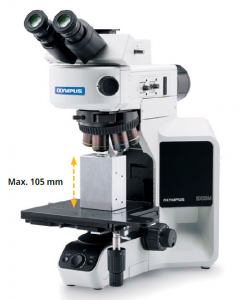
옵션 모듈식 장치로 최대 105mm(4.1인치)의 샘플을 스테이지에 장착할 수 있습니다. 향상된 포커싱 메커니즘으로 인해 현미경은 최대 6kg 의 총 중량(샘플 + 스테이지)을 수용할 수 있습니다.
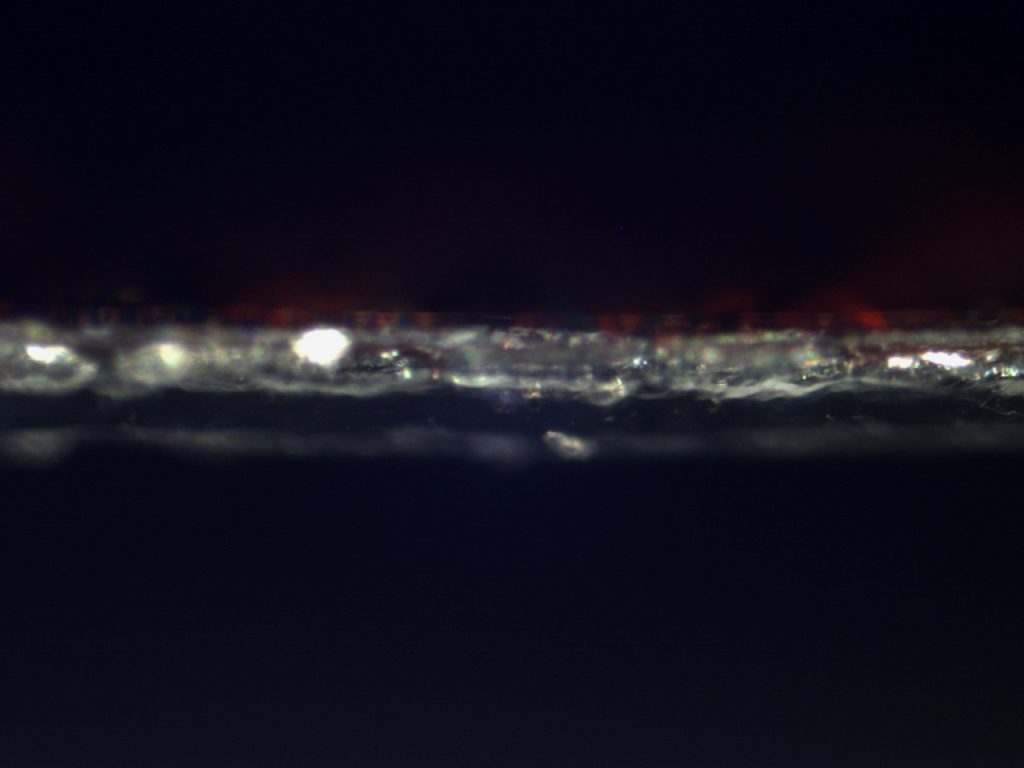
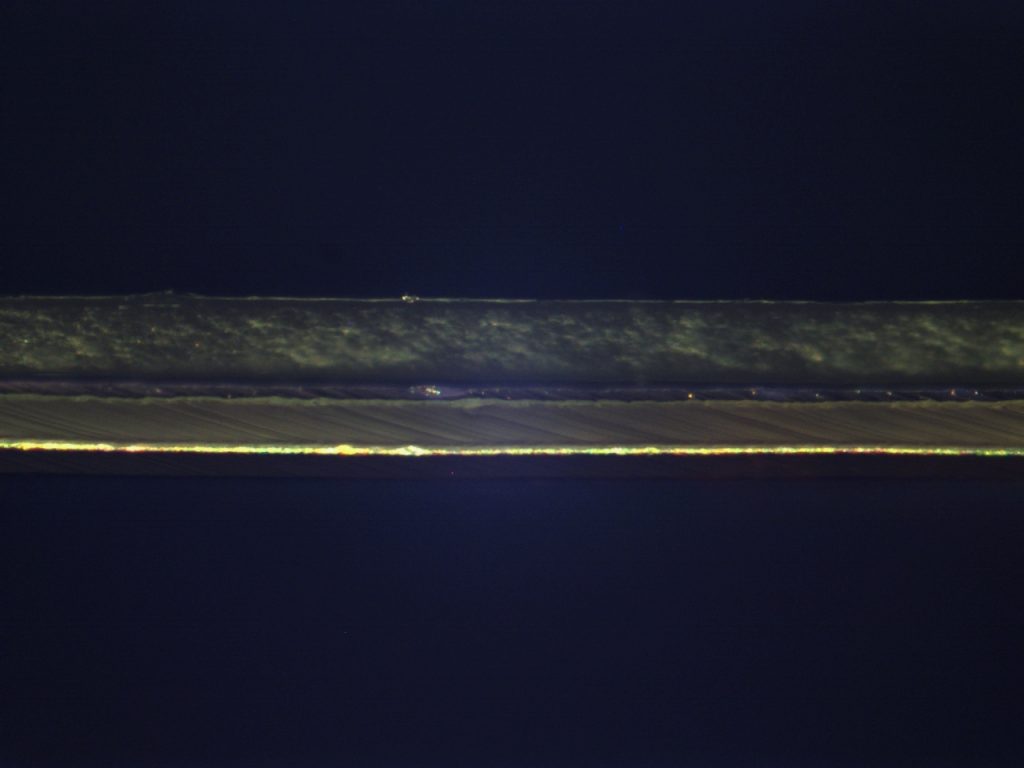
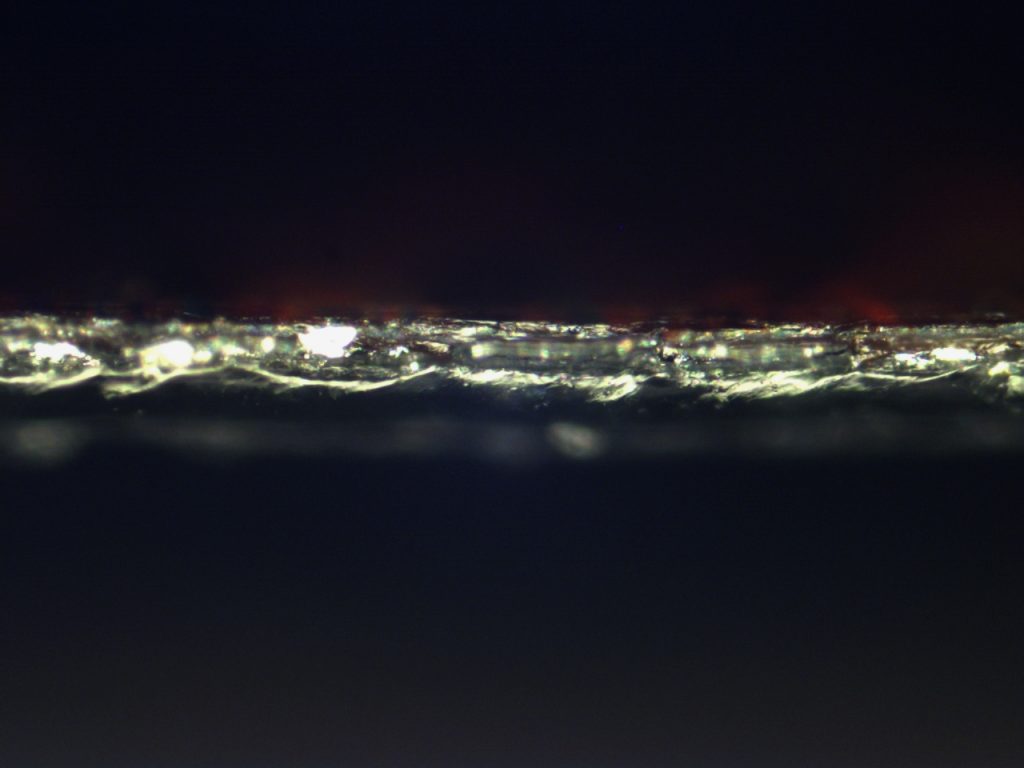
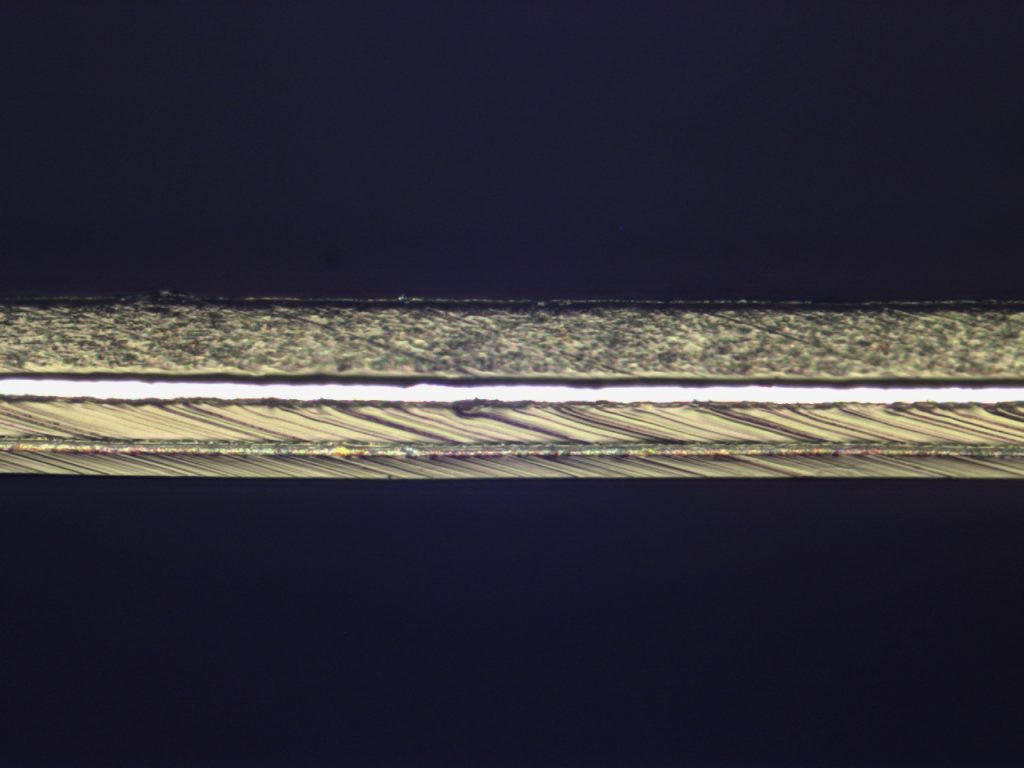
FILM CROSS SECTION-OBSERVATION
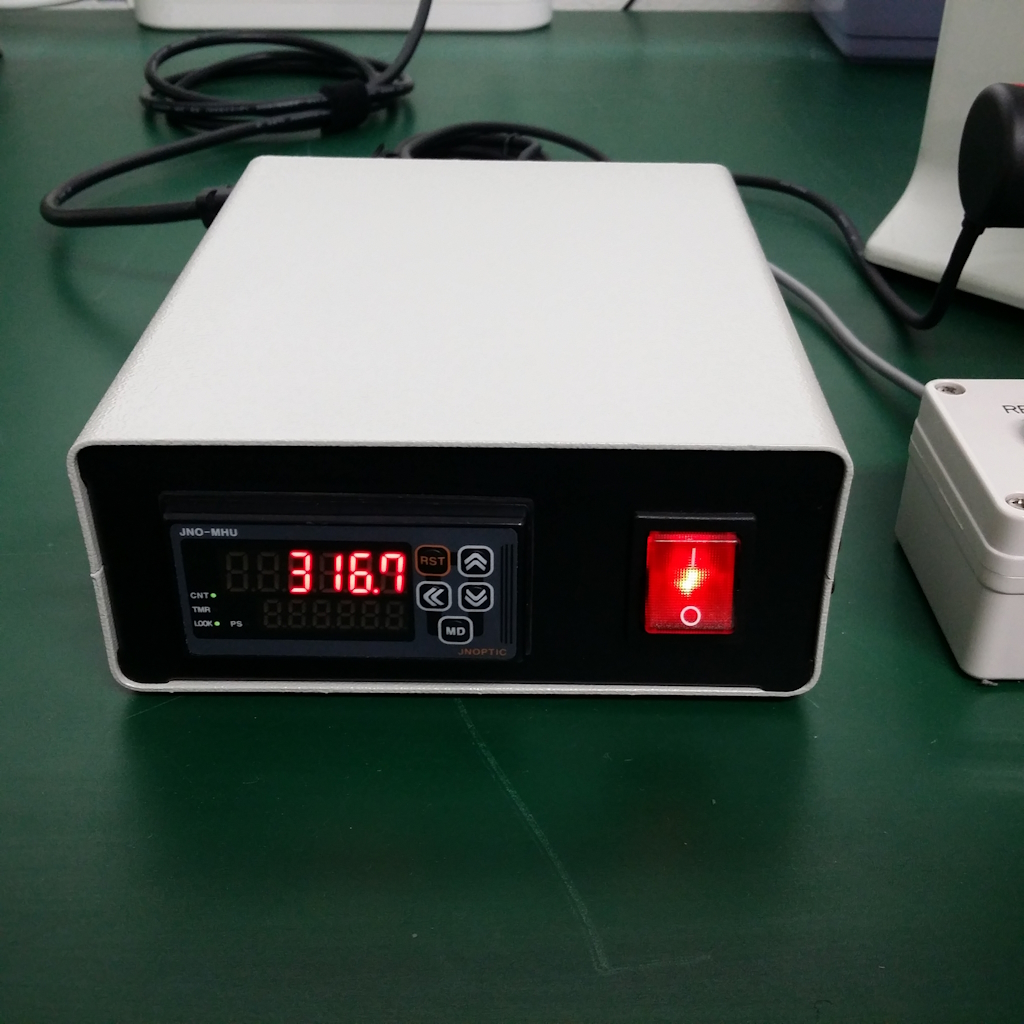
jNO-MHU
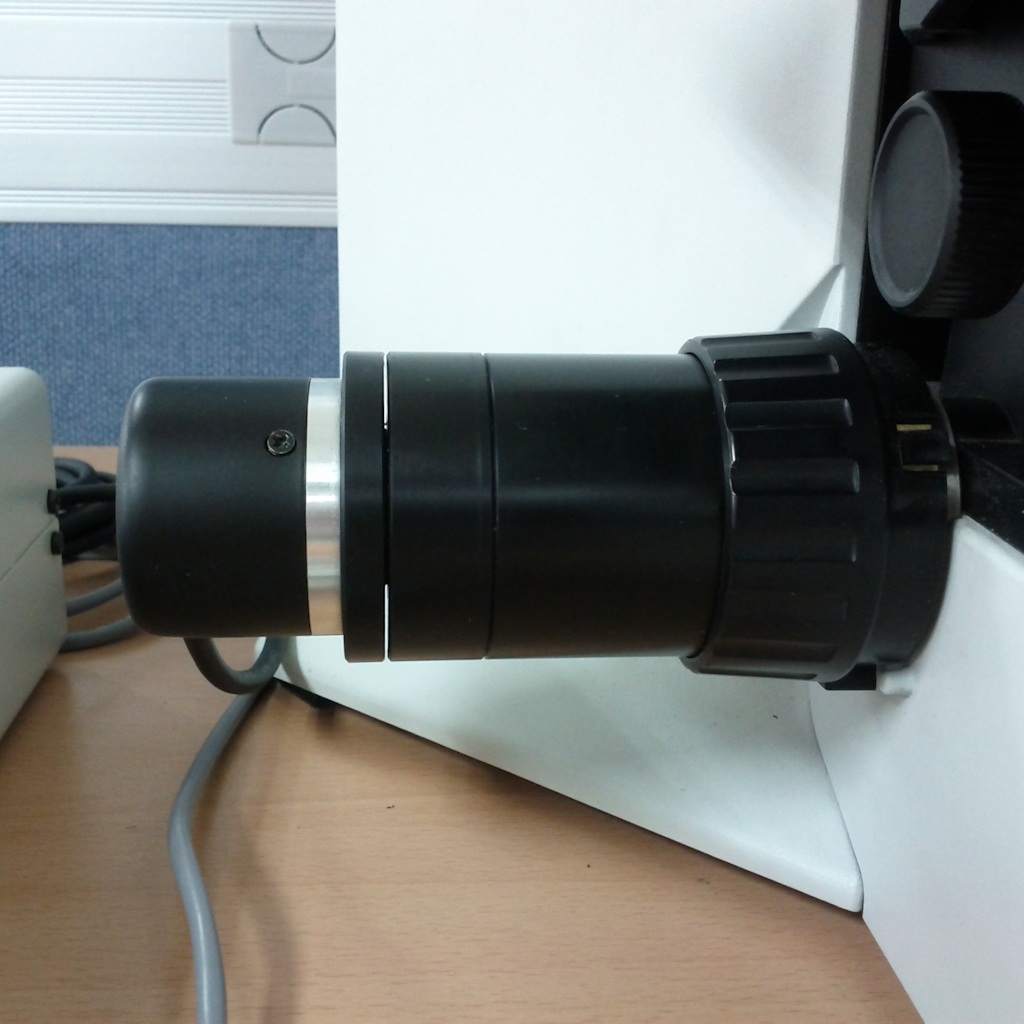
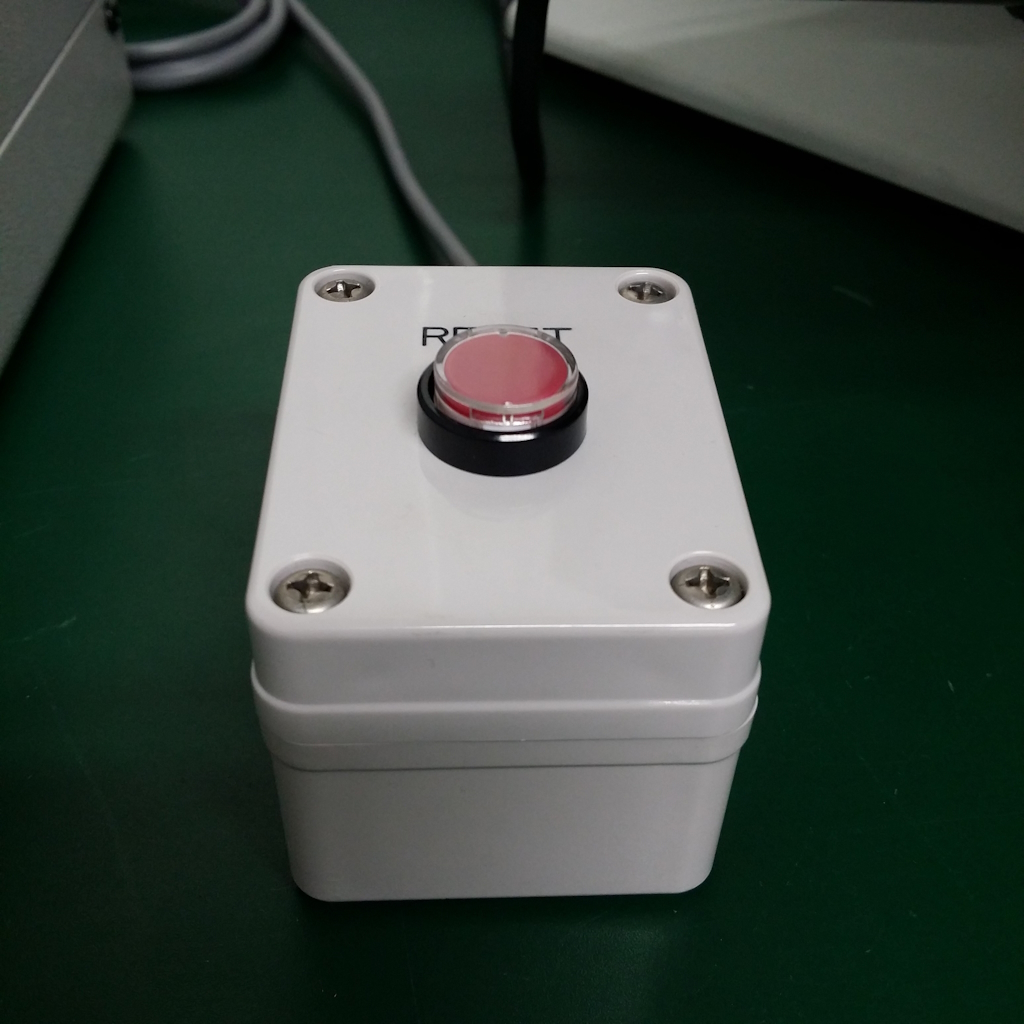
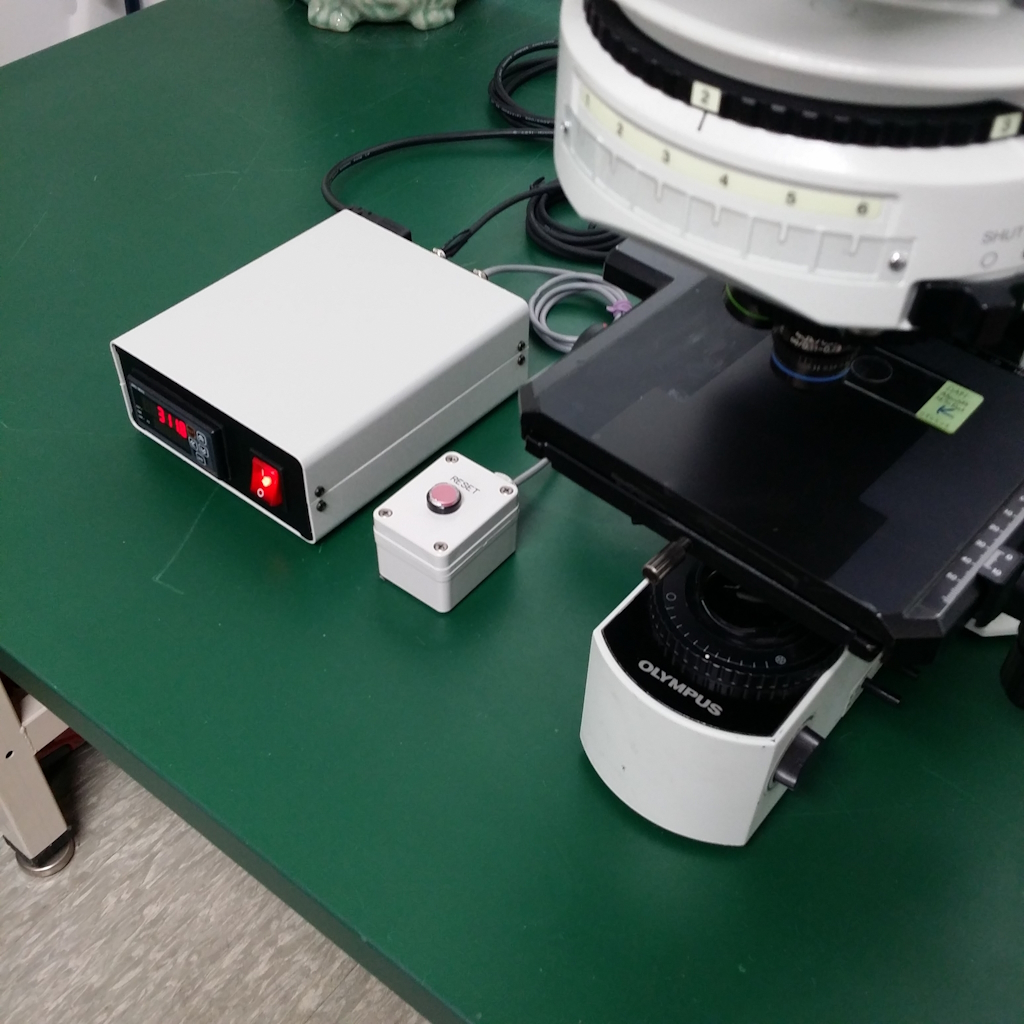
JNO-MHU DISPLAY ( 최소단위 0.1 또는 0.2㎛ )JNO-MHU SensorJNO-MHU Reset ButtonJNO-MHU with BX51JNO-MHU with BXFM
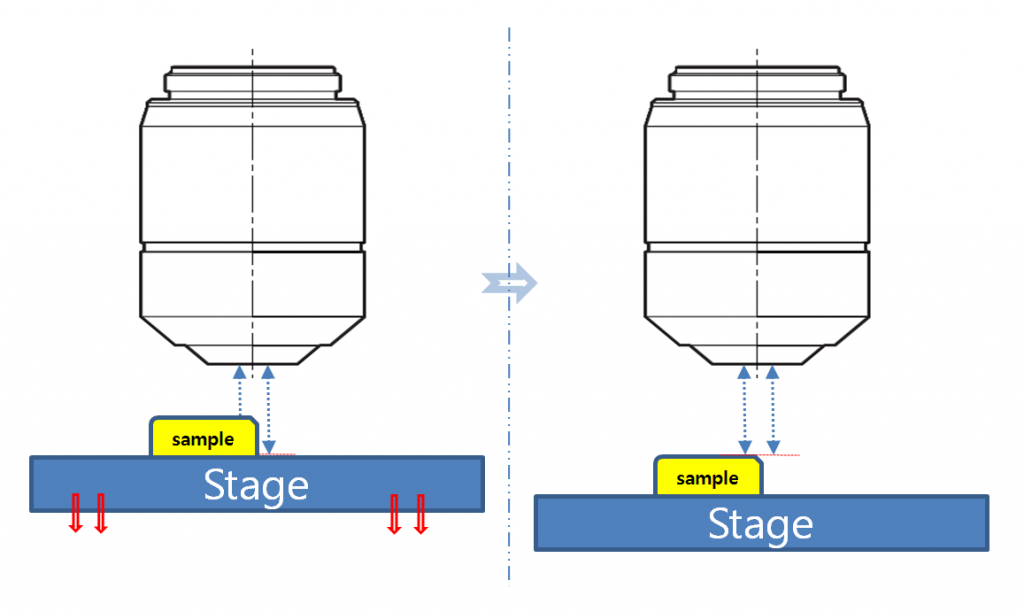
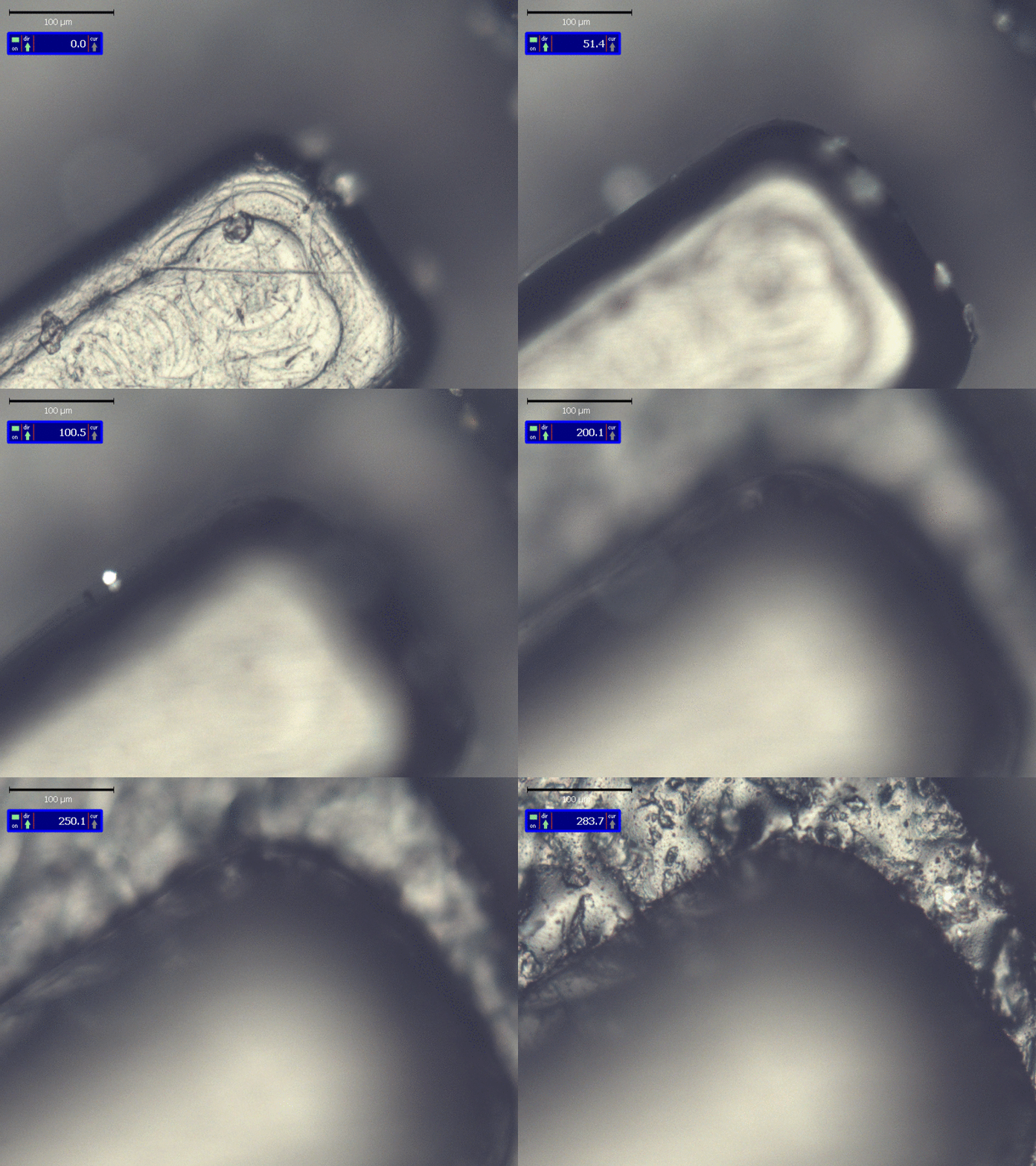
미동핸들이 1회전 할때 BX53M은 100㎛, BXFM은 200 ㎛ 상하 이동을 합니다. 이때 미동핸들에 센서를 장착하여 샘플의 상하 이동값을 읽음으로써, 샘플의 높이 측정을 가능하게 합니다.
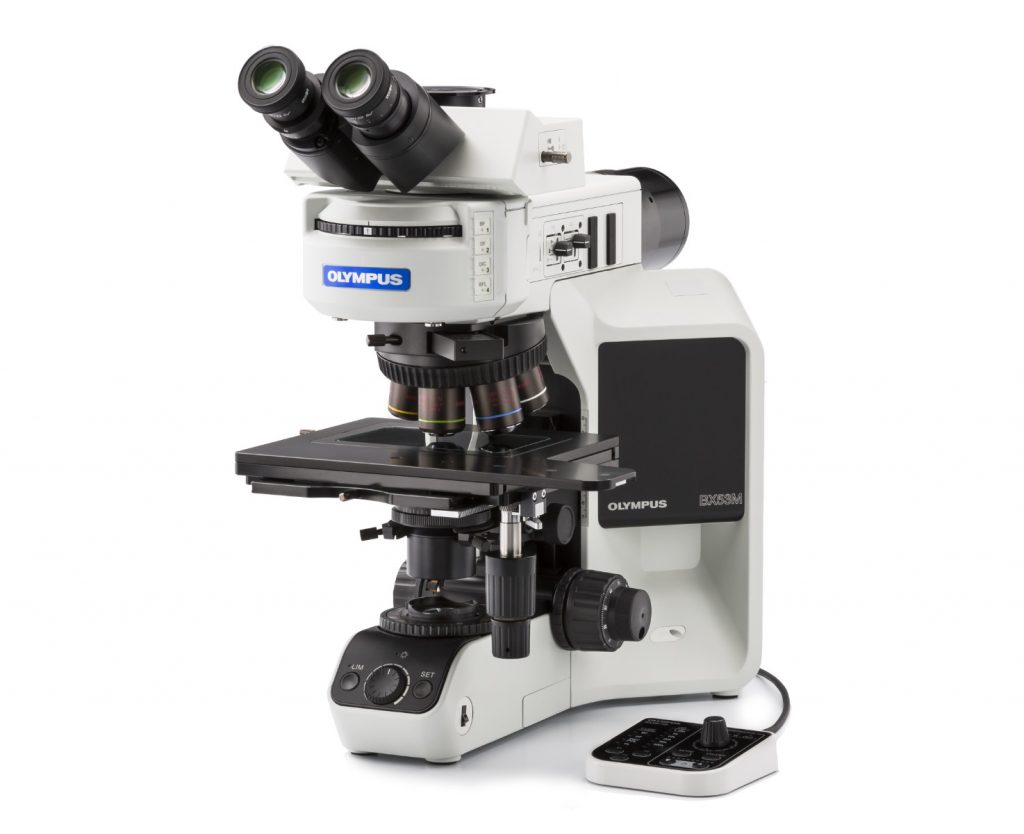
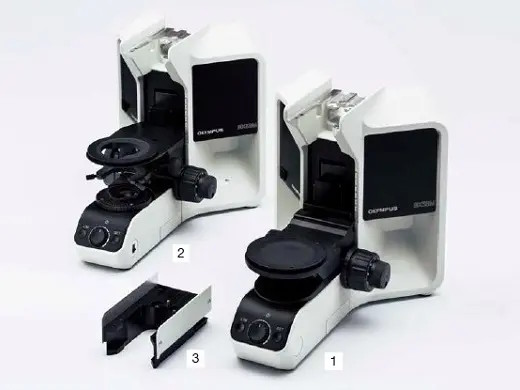
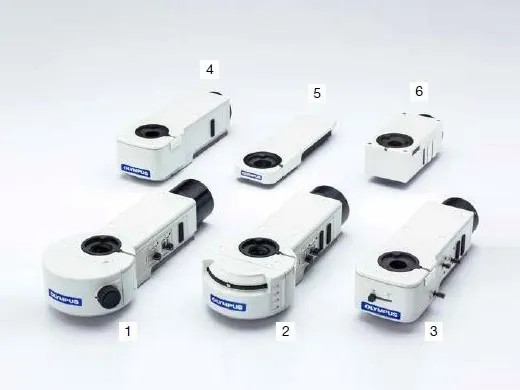
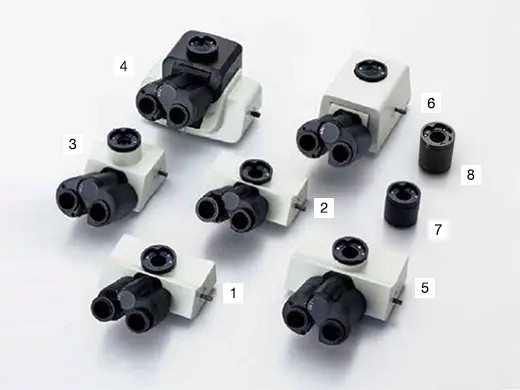
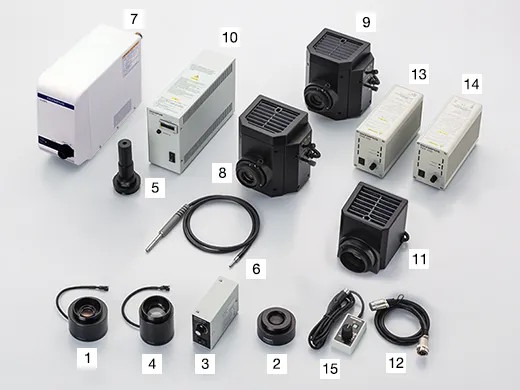
Body Frame for BX53MILLUMINATOR for BX53MHead for BX53MLight soruce for BX53MCondensor for BX53MC-mount adapter for BX53MStage for BX53M실험 목적에 적합한 모듈과 대물렌즈를 선택 하여 조립하시면 – BX53M 1Set – 가 됩니다 . 상기 이미지는 구매 희망자의 이해를 돕기 위한 것으로, 일부 모듈은 누락되어 있습니다. 구매 하시기 전에 전문가의 상담을 반드시 받으시기 바랍니다.
UIS2 Objectives ( 대물렌즈 )
UIS2 Objectives for BX53M Industrial_microscope
추가 유닛 ( Option )
Flexibility for Sample Height and Weight
Body Frame 확장을 통한 최대 105mm(4.1인치)의 샘플을 스테이지에 올려서 검경이 가능합니다.
향상된 포커싱 메커니즘으로 최대 6kg 중량의 샘플을 올려 놓고 관찰 할 수 있습니다. (상기 중량은 스테이지의 중량이 포함된 값입니다. )
Flexibility for Sample Height and Weight Samples up to 105 mm can be mounted on the stage with the optional modular unit.
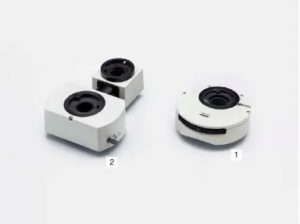
광로 변환 장치 및 추가 변배율 장치
Various types of accessories for multiple purposes. For use between tube and illuminator.
BXFM with BX3M-KMA-SBXFM with U-KMAS높이 측정 모듈 & Lagre StageBXFM은 한정된 BX53M의 고가의 Body Frame의 한계를 벗어난, 저렴한 Body 구성 뿐만 아니라, 다양한 관찰 환경에 맞추어 구성되어 판매 되고 있습니다.
The FLUOVIEW FV3000 series is designed to meet some of the most difficult challenges in modern science. Featuring the high sensitivity and speed required for live cell and tissue imaging, the FV3000 enables 2D-6D (x,y,z,t,λ,p) macro to micro imaging of cells, tissues, and small organisms. With an intuitive and adaptable user interface, the FV3000 supports complete workflows from image acquisition to processing and analysis. Particular attention has been paid to the needs of cell biology, cancer research, and stem cell research, and with two new upright configurations, the FV3000 is also poised to meet the needs of neuroscience, electrophysiology, and developmental biology.
High Sensitivity Multi-Channel Imaging
A Fully Spectral System with Sensitivity and Accuracy
The FV3000 series employs Olympus’ TruSpectral detection technology. Based on patented* Volume Phase Hologram (VPH) transmission and an adjustable slit to control light, the spectral detection is highly efficient, enabling users to select the detection wavelength of each individual channel to 2 nm.
Efficient TruSpectral Detection System
The FV3000 is a fully spectral series of confocal microscope. TruSpectral detection delivers improved overall transmission and sensitivity. The high signal-to-noise ratio results in excellent multi-color confocal imaging capabilities.
Enhanced Quantum Efficiency
The GaAsP Photomultiplier Tubes (PMTs) in the FV3000’s high sensitivity detector (HSD) enable users to view samples whose emission is too weak to view with conventional detection methods. The GaAsP PMT unit incorporates two channels with a maximum quantum efficiency of 45%, and Peltier cooling that reduces background noise by 20% for high S/N ratio images under very low excitation light.
Multichannel TruSpectral Detection with Sixteen-Channel Unmixing
TruSpectral technology’s efficient design and software enable spectral detectors to run in multichannel mode for both live and post-processing spectral unmixing with a multichannel lambda mode. The multichannel mode facilitates constant spectral unmixing during live cell experiments, separating complex fluorescence during acquisition. With up to four different dynamic ranges from the four different channels of array, bright and dim spectral signals can be separated by independently adjusting the sensitivity of each detector.
Spectral Unmixing
The deconvolution algorithm enables overlapping spectra to be separated based on the spectral information from lambda stack images. The fluorescence cross-talk between the channels can be eliminated by the unmixing algorithm during both image acquisition and post acquisition processing.
Live Spectral Unmixing with TruSpectral Detection and Real-Time Processing
The power of TruSpectral detection plus multichannel mode means live spectral unmixing can be performed during image acquisition. Complex, overlapping spectra can be processed in real time.
Live image before unmixing of CFP (endosomes, blue), mAmetrine (plasma membrane, green), mKO (nucleus, orange) and mKeima (F-actin, purple) during time-lapse imaging. Image data courtesy of Dr. Kazuhiro Aoki, Dr. Michiyuki Matsuda, Graduate School of Medicine, Kyoto Uni
Live blind unmixed image. Image data courtesy of Dr. Kazuhiro Aoki, Dr. Michiyuki Matsuda, Graduate School of Medicine, Kyoto Un
Live 3D Rendering
See your data unfold in real time with the live 3D image display function of the FV3000 software. 3D images can be constructed during image acquisition and shown as live images.
Fucci induced Spheroid of HT29 cell line Yuji Mishima, Ph.D., Kiyohiko Hatake M.D., Ph.D. Clinical Chemotherapy, Cancer Chemotherapy Center, Japanese Foundation for Cancer Research.
Macro to Micro Imaging and Super Resolution
Macro to Micro Observation
Finding areas of interest in samples can be challenging. The confocal optical design of the FV3000 series supports macro to micro imaging from 1.25X up to 150X, so users can quickly switch from low magnification overview observation to high-magnification, detailed observation of regions of interest. Users can employ image stitching at both macro and micro levels to generate overview images that show samples in context.
A stitched image of a coronal section (30 μm thickness) from an adult YFP-H mouse cerebrum acquired with 20X objective (UPLSAPO20X). Image data courtesy of Takako Kogure and Atsushi Miyawaki, Cell Function Dynamics, Brain Science Institute of RIKEN.
Powerful One-Click Macro Analysis with cellSens
Images alone are not enough; with integrated cellSens Count and Measure analysis, the FV3000 Series can optimize images with deconvolution and analyze them with one-click macro functionality for a broad range of morphological measurements.
A spheroid image of a NMuMG cell line expressing Fucci2. Image data courtesy of Atsushi Miyawaki, Cell Function Dynamics, Brain Science Institute of RIKEN.
Olympus’ widely applicable super resolution method requires no special fluorophores and works for a wide range of samples. Ideal for colocalization analysis, the Olympus Super Resolution imaging module can acquire four fluorescent signals either sequentially or simultaneously with a resolution of approximately 120 nm*, nearly doubling the resolution of typical confocal microscopy. The imaging module is easy to use with minimal user training and can be added to any confocal system, making it a truly accessible method for achieving super resolution. * Subject to objective magnification, numerical aperture, excitation and emission wavelength, and experiment conditions.
Secondary antibody labels against GFP (Alexa Fluor 488, neurons) and SV2 (Alexa Fluor 565, red). Sample courtesy of Dr. Ed Boyden and Dr. Fei Chen, MIT.
0.5 AU Confocal Image
0.5 AU Confocal Image
Olympus Super Resolution Plus cellSens Advanced Deconvolution. Note clear separation of punctate stains with OSR.
Deconvolution
The optional constrained iterative deconvolution function improves the resolution, contrast, and dynamic ranges of confocal images obtained by the FV3000. The deconvolution function can be combined with Olympus Super Resolution (FV-OSR) to improve the z-axis resolution of the deconvolved images.
Cell line: HeLa (human cervical cancer cell line) Immunostaining: Hec1 staining (green, Alexa Fluor 488), α-tubulin staining (red, Alexa Fluor 568),DAPI staining (blue) Mitotic spindle and kinetochores are stained with anti-α-tubulin (red) and anti-Hec1 (green) antibodies, respectively. Chromosomes interact with microtubules of the mitotic spindle via kinetochores (protein structures assembled on the centromere region of chromosomes.) Image data courtesy of Masanori Ikeda and Kozo Tanaka, Department of Molecular Oncology, Institute of Development, Aging and Cancer, Tohoku University.
mage data courtesy of J. Doehner and U. Ziegler, Center for Image Analysis and Microscopy, University of Zurich
Image Analysis
The FV3000 incorporates various optional analysis functions to complete the workflow from image acquisition through data analysis. The Count and Measure solution enables the measurement of the number, size, luminosity, and morphology of the segments. Colocalization enables the analysis of overlapping fluorescent spectra.
Increase Productivity with High Speed Imaging
Galvanometer and Hybrid Galvo/Resonant Scanner
Users have their choice of two different types of scan units: galvanometer only with the FV3000 or hybrid galvanometer/resonant with the FV3000RS. The hybrid scan unit has a galvanometer scanner for high-precision scanning, as well as a resonant scanner that is ideal for high-speed imaging. With the galvanometer scanner and Olympus super resolution technology (FV-OSR), users can obtain resolutions down to 120nm with a high signal-to-noise ratio. The galvanometer scanner also features flexible scanning options, including precise tornado scanning as well as multipoint stimulation with 100ms switching time. The galvanometer scanner can image up to 16 frames per second. By switching to the resonant scanner, users can capture 30 frames per second with a full field of view at 512 x 512 pixels. By clipping down to 512 x 32 pixels, the resonant scanner can capture up to 438 frames per second to capture critical live physiological events such as calcium ion flux.
No Compromise between Speed and Field of View
Many high-speed scanning methods restrict the field of view, limiting their usefulness for examining large areas with multiple cells. The FV3000 series’ resonant scanner maintains a full 1X field of view, even at a video rate of 30 frames per second. B clipping the Y axis, additional speeds up to 438 frames per second can be achieved.
Most resonant scanners force a trade-off between speed and field of view. FLUOVIEW systems are optimized to maintain the field of view with even signal intensity so dynamic samples (e.g. calcium imaging) can be seen in the broad context of their cells and tissues. The image above shows examples of the clipped fields of view required in other resonant scanning systems.
Platelets bound to a thrombosis in the blood vessel of a mouse. Images taken at 30 fps in full frame by resonant scanner with 2 CH GaAsP PMTs.
Image data courtesy of Dr. Takuya Hiratsuka, Dr. Michiyuki Matsuda, Graduate School of Biostudies, Kyoto University.
A431 cells fixed with methanol labeled with Abcam Anti-ERK1 + ERK2 antibody (Alexa Fluor 488) ab208564 and Anti-alpha Tubulin antibody (Alexa Fluor 594) ab195889 and DAPI. Sample courtesy of Abcam.
Optimized for Live Cell Imaging
Resonant scanning greatly reduces photobleaching and phototoxicity compared to standard galvanometer scans by preventing the excitation of fluorophores into triplet states that create reactive oxygen species. These features make live cell experiments more robust and reliable. The FV3000 series has complete laser intensity control from low to high range, enabling the system to use the minimum required amount of laser power on samples. The optional laser power monitor provides consistent laser power during long-term time-lapse imaging across multiple days.
Ratio Imaging and Intensity Modulated Display (IMD)
The FV3000’s ratio imaging analysis function includes an Intensity Modulated Display (IMD) function in the software that displays quantitative fluorescence ratio changes during both standard and high-speed acquisitions. This function is particularly useful for calcium and FRET imaging where a pure ratio display provides poor contrast in background areas.
sGFP1-mito reveals heterogeneity in mitochondrial thermogenesis in HeLa cells. The images of ratio (ex 405 nm/ex 488 nm) in tsGFP1-mito-expressing cells before and after CCCP treatment at 37 °C. Scale bars indicate 10 μm (whole image) and 3 μm (inset). Image data courtesy of Shigeki Kiyonaka Ph,D, Yasuo Mori Ph,D Molecular Biology Field, Department of Synthetic Chemistry and Biological Chemistry, Kyoto University.
(Left) CFP, (Right) YFP FRET
(Left) Raw CFP/YFP ratio, (Right) IMD of CFP/YFP ratio
(Left) Raw CFP/YFP ratio, (Right) IMD of CFP/YFP ratio
Cardiomyoctye Image data courtesy of Yusuke Niino and Atsushi Miyawaki, Cell Function Dynamics, Brain Science Institute of RIKEN.
Rolling Average Processing
High-speed scanning at low laser power to avoid phototoxicity often decreases the signal-to-noise ratio. With rolling average post-processing, users have the flexibility to adjust high-speed time-lapse images while maintaining the time scale and keeping the original data.
(Left) Raw 30 fps data acquired at low laser power (0.05%, 488 nm). (Right) Rolling average processing (10 frame) on 30 fps data acquired at low laser power.
Object Tracking
In time-lapse imaging, moving objects can be automatically detected, tracked, and analyzed. cellSens software’s tracking function provides a powerful and intuitive tool to quantify dynamic processes such as cell movement and division.
Bioluminescence of RA-induced differentiating cells at day 12 from Bmal1:luc stably transfected ES cells Image data courtesy of: Kazuhiro Yagita, M.D. Ph.D. Department of Physiology and Systems Bioscience, Kyoto Prefectural University of Medicine Reference: Proc Natl Acad Sci U S A. 107(8): 3846–3851(2010)
Accurate Time-lapse Imaging
Maintain Focus with Z-Drift Compensation (ZDC) System
The IX3-ZDC2 Z-drift compensator uses minimally-phototoxic infrared light (laser class 1) to identify the location of the sample plane. One-shot autofocus (AF) mode enables several focus positions to be set as desired for deeper samples, enabling efficient Z-stack acquisitions in multiposition experiments. The continuous AF mode keeps the desired plane of observation precisely in focus, avoiding focus drift due to temperature changes or the addition of reagents, making it ideal for measurements that require more stringent focusing. Furthermore, the increased optical offset enables continuous AF with plastic vessels or with dry objectives. The Z-drift compensator is also compatible with silicone objectives (in AF mode).
Stage Control for Multi-Area Time-lapse, Microplate, and Stitching
Multi-area time-lapse and stitching provide robust and accurate time-lapse data, and enable users to generate detailed overview images to see their data in context. The well navigator function provides sophisticated, intuitive controls for a wide range of cell culture vessels and custom plates.
Stable Time-Lapse Imaging with the IX83 Microscope
A Z-drive guide installed near the revolving nosepiece combines high thermal rigidity with the stability of a wraparound structure to significantly reduce the impact of heat and vibration and improve the quality of time-lapse imaging.
Hard Disk Recording
The microscope comes equipped with a hard-disk drive (HDD) recording function. The images are stored automatically in the HDD. Large volumes of data, such as those obtained from long-term time-lapse imaging, can be easily collected.
High Contrast under Bright Conditions
The umbra unit is designed specifically for fluorescence observation under bright room conditions. It efficiently blocks out room light, enhances the contrast of fluorescence, and enables clear fluorescence observation without the need for a dark room.
Reduce Complexity with the Sequence Manager
With the Sequence Manager software module, complex protocols are handled with ease and accurate timing. Multi-day time-lapse experiments are controlled with microsecond scan accuracy and millisecond sequence execution accuracy. Various protocols, such as time-lapse with different time intervals, switching between high and low magnification, and photo-stimulation between imaging by FRAP or FRET (acceptor photobleaching), can be performed.
Life Science Analysis
The cellSens Life Science Analysis module enables analysis of images from FRAP or FRET experiments. In FRAP, τ/2 and the Mobile/ Immobile fraction can be estimated by fitting the curve of luminosity change caused by fluorescence recovery after bleaching. FRET enables the measurement of FRET efficiency by acceptor photobleaching, ratio imaging, and sensitized emission.
Superior Objectives
Silicone Immersion Objectives for Live Cell Imaging Deliver High-Resolution Observation at Depth
Olympus offers four high NA silicone immersion objectives that deliver excellent performance for live cell imaging. The refractive index of silicone oil (ne≈1.40) is close to that of living tissue (ne≈1.38), enabling high-resolution observations deep inside living tissue with minimal spherical aberration caused by refractive index mismatch. Silicone oil does not dry out or harden, so there is never a need to refill oil, making it ideal for extended time-lapse observations.
Water immersion objective (Left), Silicone immersion objective (Right)
In deep tissue observation, image quality depends on keeping the refractive index of the sample and immersion medium as close to each other as possible. When working with a silicone immersion objective, the difference between the refractive index of the samples and silicone oil is minimal, thus enabling brighter fluorescence images with higher resolution for deep tissue observation.
UPLSAPO30XS: For a broader view and greater depth Magnification: 30X, NA: 1.05 (silicone oil immersion), W.D.: 0.8 mm, cover glass thickness: 0.13 – 0.19 mm, operating temperature: 23 – 37 °C
UPLSAPO40XS : For a good balance between field of view and resolution Magnification: 40X, NA: 1.25 (silicone oil immersion), W.D.: 0.3 mm, cover glass thickness: 0.13 – 0.19 mm, operating temperature: 23 – 37 °C
UPLSAPO60XS2: For 3D observations with superior resolution Magnification: 60X, NA: 1.30 (silicone oil immersion), W.D.: 0.3 mm, cover glass thickness: 0.15 – 0.19 mm, operating temperature: 23 – 37 °C
UPLSAPO100XS: For greater brightness at depth in closely defined regions Magnification: 100X, NA: 1.35 (silicone oil immersion), W.D.: 0.2 mm, cover glass thickness: 0.13 – 0.19 mm, operating temperature: 23 – 37 °C
PLAPON60XOSC2: Enhance the Reliability of Colocalization Analysis with a Low Chromatic Aberration Objective
This oil immersion objective minimizes lateral and axial chromatic aberration in the 405–650 nm spectrum. Colocalization images are acquired reliably and images are measured with superior positional accuracy. The objective also compensates for chromatic aberration through near infrared up to 850 nm, making it the ideal choice for quantitative imaging.
Low Chromatic Aberration Objective Magnification: 60X NA: 1.4 (oil immersion) W.D.: 0.12 mm Chromatic aberration compensation range: 405 – 650 nm Optical data provided for each objective.
Performance Comparison of the PLAPON60XOSC2 and the UPLSAPO60XO
Reduce Spherical Aberration
The correction collar adjusts the lens position of objectives to correct the spherical aberration caused by refractive index mismatch, resulting in the improvement of image quality, such as resolution, brightness and contrast. The correction collar is especially necessary for objectives with high NA when they are used for super resolution imaging, because they are greatly affected by spherical aberration. The remote correction collar unit is useful for easy adjustment and improvement of the image quality, and operable on all UIS2 objectives which have a correction collar.
Choose the Frame That Suits Your Application
Inverted microscope
Suitable for observing cells cultured in a vessel.
The Z-drift compensator enables time-lapse observations that remain in focus.
Maintain the environmental conditions of cultured cells by adding a stage-top or full enclosure incubator.
Upright microscope (configured for imaging)
Optimized for fixed tissue and glass slide specimens.
Motorized 7-position nosepiece and condenser enable automated transitions from low to high magnification.
Upright microscope (configured for electrophysiology)
Ample space around the objectives enables patch-clamp devices to be installed.
Add additional space by lowering the stage position for experiments that require large sample handling.
Swing and slider nosepieces are available so objectives can be easily changed without interfering with the patch-clamp set-up.
Intuitive Software
Customizable and saveable layouts make it easy to tailor the interface to your workflow and experiment needs, from basic to complex.
Layout
Start by selecting your preferred display with specific tools for basic to complex acquisition.
Acquisition Condition
Reload settings that were ideal for your last experiment to provide consistency.
Acquisition
Activate basic to complex acquisitions with live ratio, intensity modulated display, quantitative region of interest (ROI) graphing or spectral unmixing display, and data backup for added security.
Viewer
Review data as it is generated. Generate 3D and 4D views and animations to explore and share data in depth.
Analysis
Extract data from images using online or offline processing. Analytical tools include Olympus super resolution technology (FV-OSR) and powerful cellSens software with features such as deconvolution, filtering, count and measure, and one-click macros.
LEXT OLS4500은 광학 현미경, 레이저 현미경(LSM), 프로브 현미경(SPM)을 한 대에 결합한 복합 현미경입니다. 관찰 배율은 수십 배에서 수백만 배까지 광범위한 영역을 커버하고 관찰 포인트를 잃는 일 없이 원활하게 밀리미터부터 나노미터까지 관찰 및 측정이 가능합니다.
OLS4500이 실현하는 새로운 솔루션
한번 잡은 타겟은 절대 놓치지 않는다.
전동 리볼버로 배율, 관찰 방법 전환
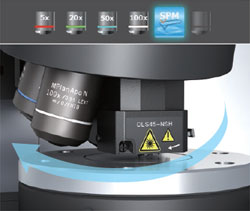
저배율에서 고배율 관찰이 가능한 4 개의 대물 렌즈와 SPM 장치를 전동 리볼버에 장착하여 배율과 관찰 방법을 원활하게 전환 할 수 있어 관찰 대상을 잃을 일이 없이 바로 나노미터까지 검색 할 수 있는 현미경입니다.
광 범위의 배율과 다양한 관찰 방법으로 관찰 대상을 쉽게 발견 할 수 있습니다.
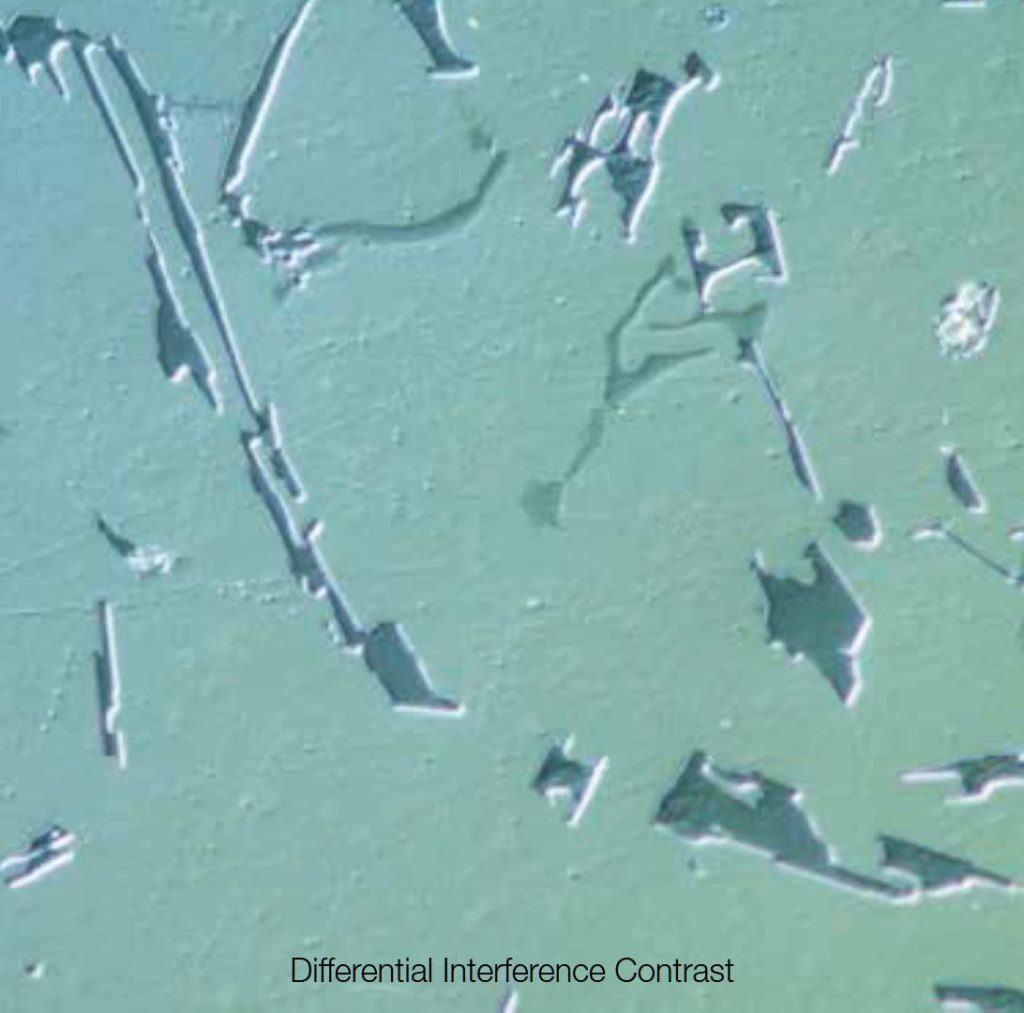
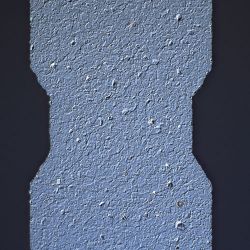
첨단 광학 기술이 뒷받침된 다양한 관찰 방법과 저배율부터 고배율까지 관찰 대상을 쉽게 찾을 수 있습니다. 또한 광학 현미경으로는 보이지 않는 관찰 대상을 레이저 현미경으로 찾을 수 있습니다. 레이저 미분 간섭 (DIC) 관찰에서는 나노 수준의 미세 요철의 라이브 관찰도 가능합니다.
미분간섭 (DIC) 관찰
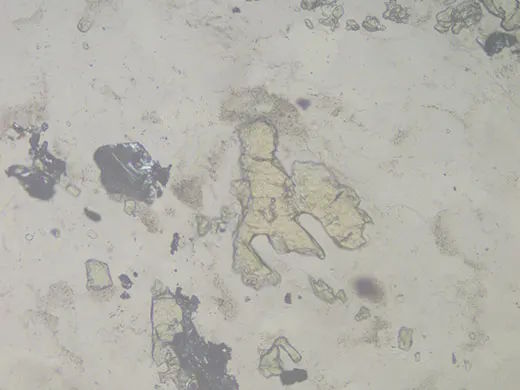
명시야 관찰( IC 패턴)
레이저 미분간섭(DIC) 관찰
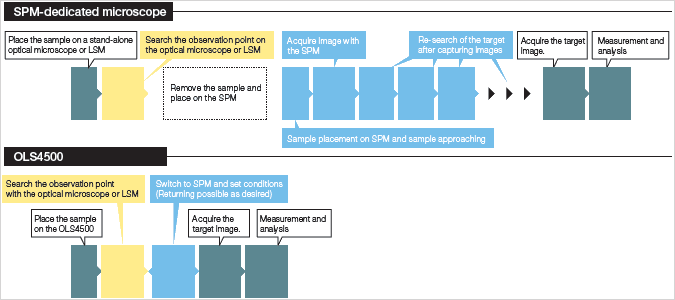
샘플 세팅부터 이미지 획득까지, 작업시간을 획기적으로 단축
샘플 세팅 이후의 모든 작업을 1대의 장치로 수행 할 수 있습니다.
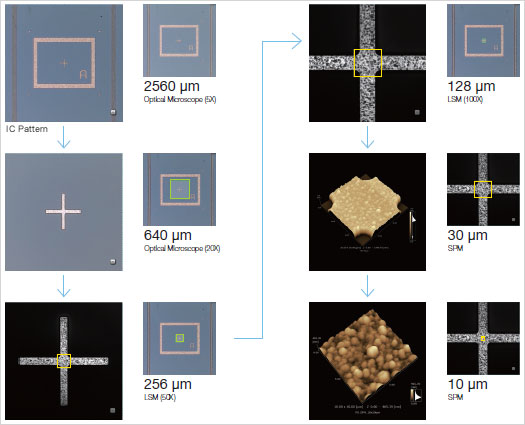
관찰대상을 신속, 정확하게 SPM 현미경 모드로 가져올 수 있기 때문에, 한 번의 스캐닝 영역 내에서 원하는 SPM 이미지를 얻을 수 있습니다.
일체형이기 때문에 샘플을 옮길 필요 없이 배율 및 관찰 방법을 교체하여 하나의 현미경으로 유연하게 대응 가능합니다.
OLS4500은 광학 현미경, 레이저 현미경, 프로브 현미경의 일체형이기 때문에 샘플을 옮길 필요 없이 세 가지의 현미경을 자유 자재로 전환하며 관찰 및 평가가 가능합니다. 각각이 가진 뛰어난 기능으로 효율적인 최적의 결과 값을 얻을 수 있습니다.
OLS4500에서 가능한 원할한 관찰과 측정
관심 영역을 바로 찾는 것이 가능
광학 현미경의 다양한 관찰법을 이용하여 빠르게 관찰 대상을 찾아낼 수 있습니다.
광원으로 백색 LED를 사용하기 때문에, 색 재현성이 뛰어난 고해상도 컬러 이미지를 볼 수 있습니다. 4개의 대물 렌즈로 저배율에서 고배율까지 관찰이 가능합니다. OLS4500은 광학 현미경의 기능을 최대한 활용하여 가장 많이 사용되는 명시야관찰 (BF)을 비롯해 미세한 요철에 컨트라스트를 넣어 입체적으로 시각화하는 미분간섭관찰 (DIC), 샘플의 편광특성이 색으로 표현되는 간이 편광 관찰이 가능합니다. 또한 노출시간을 바꾸어 여러장의 이미지를 촬영, 합성 하는 것으로 밸런스가 좋은 밝기와 향상된 텍스처의 이미지를 보여주는 HDR기능(High Dynamic Range)을 이용 할 수 있습니다. 다양한 관찰 방법으로 신속하게 관심 영역을 찾을 수 있습니다.
BF 명시야
가장 널리 사용되는 관찰 방법입니다.
자연스러운 이미지와 사실적인 칼라 재현. 컨트라스트가 있는 샘플의 관찰에 적합합니다.
DIC Differential Interference Contrast
명시야에서는 보이지 않는 샘플의 미세한 단차를 시각화합니다. 금속조직, 하드디스크 및 웨이퍼 연마 표면 같은 거울위의 스크레치나 이물질 관찰에 적합합니다.
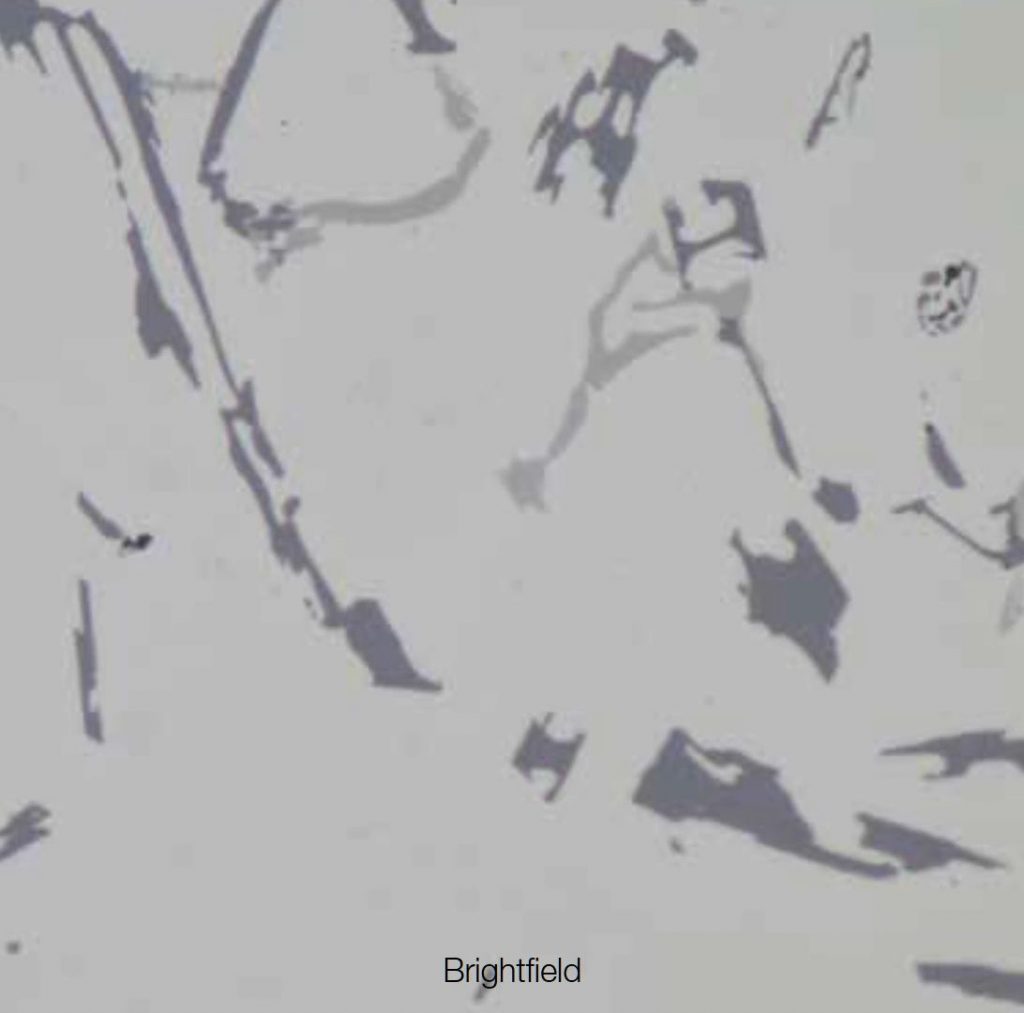
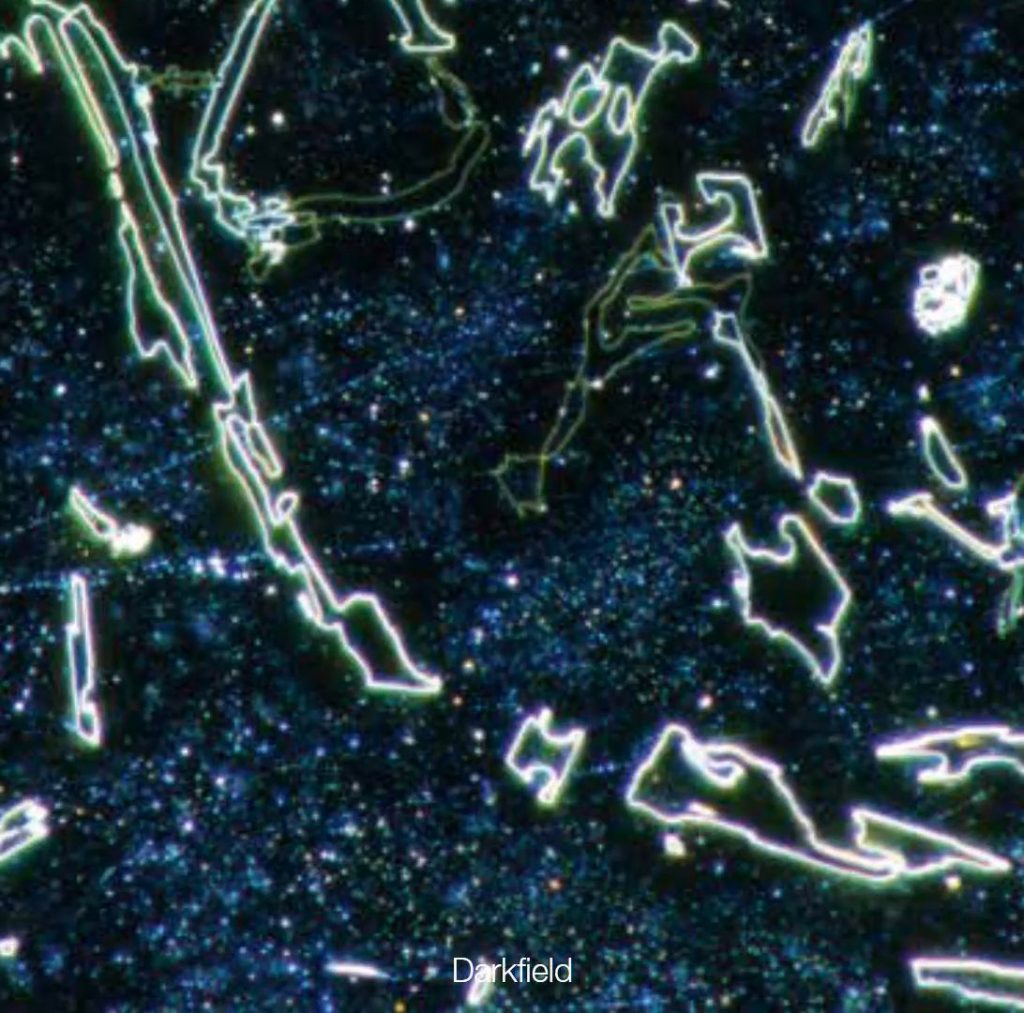
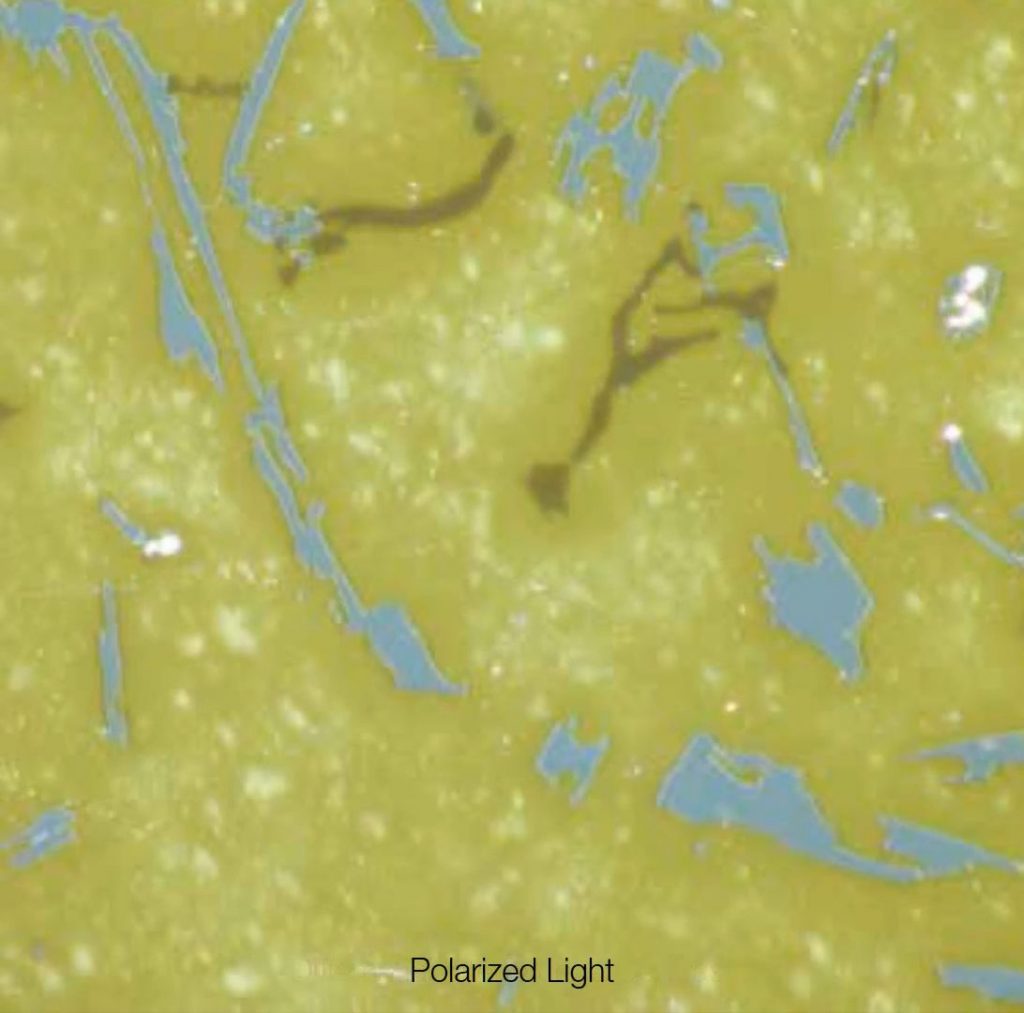
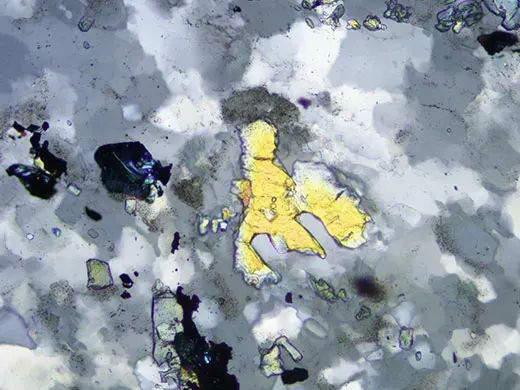
간이편광
편광 (특정 진동 방향을 갖는 빛)을 조사하여 샘플의 편광 특성 (굴절률 등)을 시각화합니다. 금속 조직, 무기물, 반도체 재료 등의 관찰에 적합합니다.
HDR High Dynamic Range
노출 시간을 바꾸어 여러 장의 사진을 찍어 합성하는 것으로, 밝은 부분, 어두운 부분을 균형있게 볼 수 있습니다. 또한 텍스처 (표면 상태)를 강조함으로써 세밀한 관찰이 가능합니다.
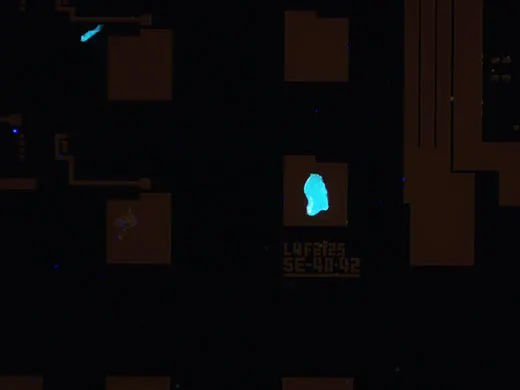
LSM은 광학 현미경으로는 보이지 않는 것을 가능하게 합니다.
405nm 짧은 파장의 레이저 광원과 높은 N.A의 전용 대물렌즈를 사용하여, 높은 평면 분해능을 가집니다. 광학 현미경으로는 보이지 않았던 관찰대상을 선명한 이미지로 관찰하는 것이 가능합니다. 레이저 미분간섭(DIC)은 나노미터의 마이크로영역 표면의 실시간 관찰도 가능합니다.
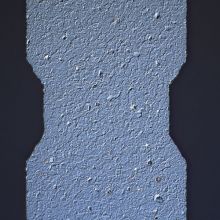
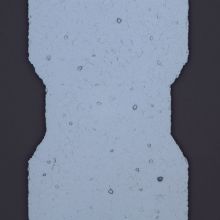
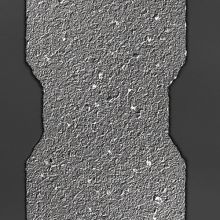
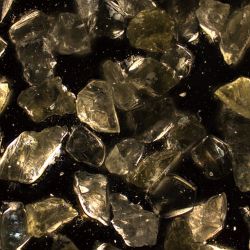
명시야 관찰
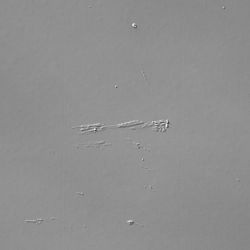
(유리판 위의 이물질)
레이저 DIC 관찰
【접근법】관심 영역에 정확하고 빠르게 접근하여 SPM으로 관찰
관찰 대상을 놓치지 않고 원할하게 관찰 가능
저배율에서 고배율 관찰이 가능한 4개의 대물 렌즈와 소형 SPM 장치를 전동 리볼버에 장착. 광학현미경 또는 레이저 현미경 50배, 100배의 실시간 관찰에서는 SPM 스캔범위가 시야의 중심에 표시되므로 관찰 포인트를 이 위치에 맞춘 후, 프로브현미경으로 전환 하는 것만으로 관찰대상에 정확하게 접근 할 수 있습니다. 따라서 원하는 이미지를 한번의 SPM 스캔으로 획득할 수 있고, 작업의 효율성과 캔틸레버의 소모를 줄일 수 있습니다.
SPM 관찰로 쉽게 전환 하기 위한 안내 기능
캔틸레버 설치, 스캔 범위 설정 등 프로브 현미경으로 관찰하는 데 필요한 준비는 안내 화면에 따라 수행 할 수 있어, 경험이 적은 사람이라도 안심하고 작업을 할 수 있습니다.
【나노미터 접근 측정】간단한 조작으로 빠른 측정이 가능
노이즈 감소를 위해 새롭게 개발된 SPM 헤드
새롭게 개발된 소형 SPM 해드
OLS4500에서는 전동 리볼버에 장착하는 대물 렌즈 형 SPM 헤드를 사용. 대물 렌즈와 캔틸레버 끝을 동축, 동초점으로 배치하여, SPM 관찰로 전환 하더라도 관찰 포인트를 잃지 않습니다. 또한 새로 개발한 소형 SPM 헤드는 강성을 높여 기존제품보다 이미지의 노이즈를 줄이고 응답성을 향상 시켰습니다.
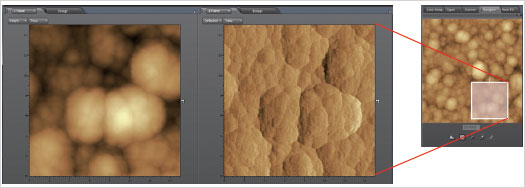
네비게이터 기능으로 SPM 이미지를 자유자재로 확대
네비게이터 기능은 프로브 현미경에서 얻은 이미지의 필요한 부분을 더 크게 확대하여 관찰 할 수 있습니다. 이미지에서 확대 범위를 커서로 설정하여 스캔을 시작하는 것 만으로 원하는 SPM 이미지를 얻을 수 있습니다. 스캔 범위는 자유롭게 설정할 수 있으므로 관찰 · 측정 효율성이 크게 향상됩니다.
네비게이터 기능 10μmx10μm의 이미지에서 3.5μmx3.5μm의 범위를 확대
다양한 요구 사항을 충족하는 분석 기능
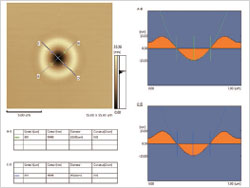
곡률 측정 (하드 디스크 핏)
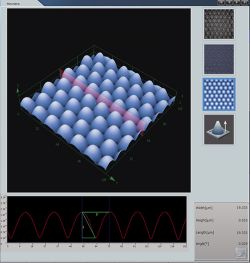
각종 측정 모드에서 얻은 이미지는 목적에 따른 분석이 가능하며, 측정 결과는 CSV 형식으로 출력 할 수 있습니다. OLS4500는 다음의 분석 기능이 있습니다.
단면 형상 분석 (곡률 측정, 협각 측정)
거칠기 분석
형태 분석 (면적, 표면적, 체적, 높이, 히스토그램 값, 베어링 비율 값)
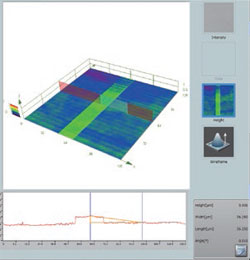
평균 단차 측정 (라인 지정, 크기 지정)
입자 분석 (옵션)
가이드 화면으로 따라하기 쉬운 6개의 SPM 측정 모드
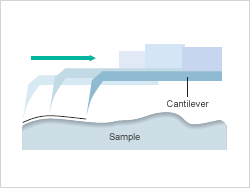
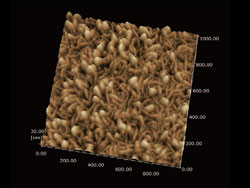
접촉 모드
캔틸레버와 샘플 사이에서 작동하는 반발력이 일정하게 되도록 제어하면서 캔틸레버를 정적으로 스캔하며 샘플의 높이를 이미지화 시키다. 힘 곡선 측정에도 사용 할 수 있습니다.
금속 얇은 필름
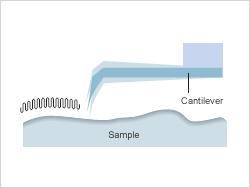
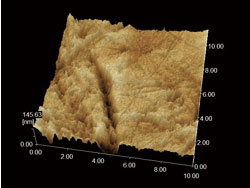
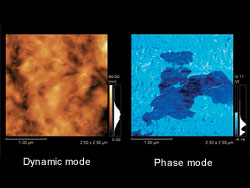
다이나믹 모드
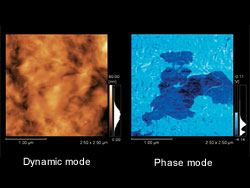
캔틸레버를 공진 주파수 근처에서 진동시켜 진폭이 일정하게 되도록 Z축 방향의 거리를 제어하는 것으로, 샘플의 높이를 이미지화 시킨다. 특히 고분자 화합물 같은 부드러운 표면 샘플 및 점착성이 있는 샘플에 적합합니다.
알루미늄 표면
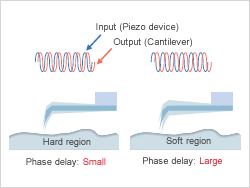
위상 모드
다이나믹 모드에서 스캐닝하는 동안 캔틸레버 진동의 위상 지연을 감지합니다. 샘플 표면의 물리적 특성의 차이를 이미지화 할 수 있습니다.
고분자 필름
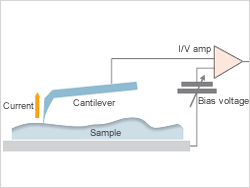
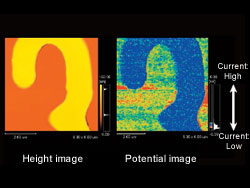
전류 모드
샘플에 바이어스 전압을 인가하여 캔틸레버와 샘플 사이에 흐르는 전류를 감지하여 이미지화시킵니다. 또한 I / V 측정도 가능합니다.
Si 기판위의 SiO2 패턴 샘플입니다. 높이 이미지 (왼쪽)으로 노랗게 보이는 부위가 SiO2입니다. 전류 이미지 (오른쪽)는 청색 (전류가 흐르지 않는 부위)에 표시되어 있습니다. 기판위에도 흐르지 않는 부분이 있다는 것을 알 수 있습니다.
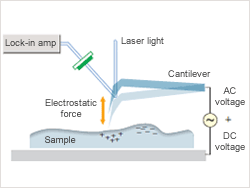
표면 전위 모드 (KFM)
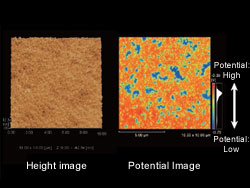
전도성 캔틸레버를 이용하여 교류 전압을 인가하여 캔틸레버와 샘플 표면 사이에 작용하는 정전기의 힘을 감지하고 샘플 표면의 전위를 이미지화 시킵니다. KFM (Kelvin Force Microscope)라고도합니다.
자기 테이프 샘플. 전위 상은 수백 mV의 전위차가 샘플 표면에 분포되어 있음을 알 수 있습니다. 이러한 전위의 분포는 테이프 표면에 존재하는 윤활 층의 불규칙을 나타내고 있다고 간주 됩니다.
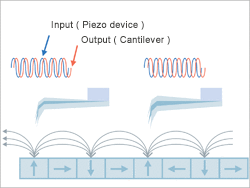
자력 모드 (MFM)
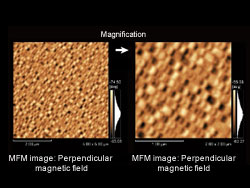
자력을 갖는 캔틸레버를 위상 모드에서 검사하여, 진동 하는 캔틸레버의 위상 지연을 감지하고 샘플 표면의 자기 정보를 이미지화 시킵니다. MFM (Magnetic Force Microscope)라고도 합니다.
하드 디스크 표면 샘플. 자성의 분포를 이미지로 볼 수 있습니다.
레이저 현미경으로 다양한 샘플을 유연하게 대응
85°이상의 경사도 이미지
OLS4500의 높은 해상도와 405nm의 광학시스템에 맞게 설계된 전용렌즈의 채택으로 기존에 측정 불가능했던 급경사면의 이미지를 손쉽게 취득할 수 있습니다.
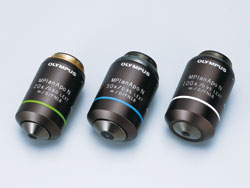
LEXT전용 대물 렌즈
급경사면의 면도칼
높은 분해능을 가진 마이크로 프로파일 측정
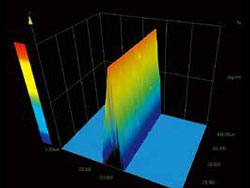
405nm의 단파장 레이저 빛과 높은 N.A의 전용 대물 렌즈 사용으로 최대 0.12μm의 평면 분해능을 실현. 샘플 표면의 서브 마이크론 측정이 가능합니다. 또한 고정밀 리니어 스케일과 올림푸스 만의 밝기 감지 기술은 서브 마이크론에서 수백 마이크론의 높이 차이를 감지 할 수 있습니다. 또한 레이저 현미경에 의한 측정은 측정기 2 가지 지표인 ‘정확도'(참값에 근접)과 ‘반복성'(편차의 작음) 모두의 성능을 보장하고 있습니다.
0.12 μm 선 과 공간 패턴
(MPLAPON50XLEXT)
STEP 높이 표준 B 타입, PTB-5, 독일, 마이크로 전자 연구소 6nm 단차를 감지
광범위의 영역에서 임의의 캡처 이미지 지정
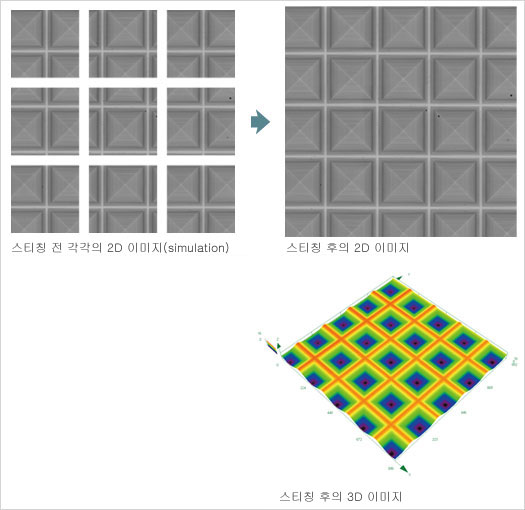
고배율의 이미지에서는 시야범위가 좁아지지만, 스티칭기능으로 최대625장까지 이미지를 붙여 높은 분해능과 넓은 시야범위로 이미지 데이터를 얻을 수 있습니다. 또한 넓은 시야 이미지로 3D 디스플레이 및 3D 측정이 가능합니다.
마이크로 영역의 표면 거칠기를 비접촉으로 측정
기존의 선 거칠기 측정에서 보다 정보량이 많은 평면 거칠기 측정이 가능
최근 산업 제품의 크기와 무게의 지속적인 감소로, 이를 구성하는 부품도 소형화 되고 있습니다. 이러한 경향은 표면 거칠기 측정뿐만 아니라, 형상 측정에서도 중요성이 증가하고 있습니다. 이러한 시장의 요구를 반영하여 ISO에서 규정하는 3D 표면 질감 측정 장치 (ISO 25178-6)의 목록에 LSM과 AFM을 추가했습니다. 이 비접촉 표면 거칠기 측정은 (삭제) 기존의 접촉 표면 거칠기 측정기와 같은 공식적인 평가 기준으로 인정된다는 것을 의미합니다. OLS4500은 ISO에 적합한 거칠기 파라미터를 제공합니다.
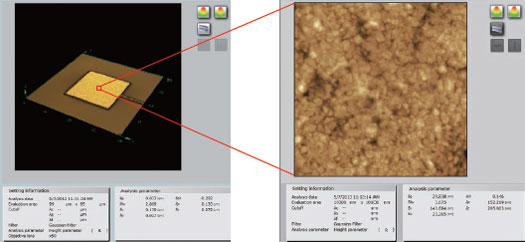
표면 거칠기 측정의 거칠기 분포와 특징을 자세히 파악
비접촉 표면 거칠기 측정은 평면 거칠기뿐만 아니라 선 거칠기를 얻을 수 있습니다.
표면 거칠기 측정은 샘플 표면에서 설정 한 영역의 분포와 특징을 파악할 수 있으며, 3D 이미지와 대조 한 평가가 가능합니다. OLS4500은 LSM 또는 SPM 기능을 사용하여 표면 거칠기를 측정 할 수 있습니다. 이 두 기능은 샘플 속성 혹은 관찰 목적에 따라 구분하여 사용할 수 있습니다.
(좌) 레이저 현미경에 의한 표면 거칠기 (105μm x 105μm)본딩 패드 (우) 프로브 현미경에 의한 표면 거칠기 (10μm x 10μm)
LEXT OLS4500 파라미터
파라미터 호환성
OLS4100은 접촉식 표면 거칠기 측정기와 같은 거칠기 (2 차원) 파라미터를 보유하고 있습니다. 접촉식 표면 거칠기 측정기와 같은 조작성, 호환 측정 결과를 얻을 수 있습니다.
차세대 파라미터에 대응
OLS4500은 ISO25178 규격 거칠기 (3 차원) 파라미터를 보유하고 있습니다. 평면 영역에서 평가를 실시하는 것으로, 높은 신뢰성이 있는 분석이 가능합니다.
OLS4500의 현미경 기술
광학 현미경의 원리와 특징
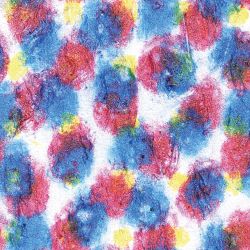
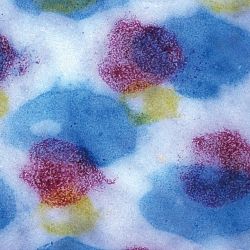
명시야 관찰은 색상 정보를 제공 합니다. 잉크젯 점.
가시 광선 영역 (400-800 nm의 파장)을 사용하여 광학 현미경 이미지를 1000배 정도의 배율로 관찰 할 수 있습니다. 광학 현미경의 특징은 샘플이 가지는 색을 그대로 관찰 할 수 있으며 관찰 방법을 바꾸는 것으로 요철을 강조하거나 물질의 특성 (편광 특성)을 이용한 관찰을 할 수 있다는 것 입니다. OLS4500에서는 다음 관찰 방법이 가능합니다.
간이 편광 관찰
편광(특정 진동 방향을 갖는 빛) 빛을 사용하여 샘플의 편광 속성을 시각화
레이저 스캐닝 현미경의 원리와 특징
마이크로 영역 때의 관찰과 측정이 가능한 LSM(Laser Scanning Microscope)
레이저 현미경의 고해상도 XY스캐닝(이미지)
광학 현미경의 평면 분해능은 사용하는 빛의 파장에 크게 의존합니다. 단파장의 레이저 빛을 사용하는 레이저 현미경은 가시 광선을 사용하는 기존의 현미경에 비해 평면 분해능이 뛰어납니다. OLS4500는 405nm의 단파장 반도체 레이저를 사용하며, 높은 개구 수 (NA) 전용 대물 렌즈, 공 초점 광학계를 결합하여 최대 0.12μm의 평면 분해능을 실현하고 있습니다. 또한 올림푸스 만의 2 차원 스캐너에 의한 XY 스캐닝 기능에서 최대 4096 픽셀 x 4096 픽셀의 고해상도 스캔을 가능하게 하고 있습니다.
뛰어난 높이 측정 능력
단차 측정
레이저 현미경은 단파장 반도체 레이저와 공 초점 광학계를 사용하여 초점이 맞는 반사광을 감지하고 초점이 맞지 않는 부분의 반사광은 제외됩니다. 정밀 리니어 스케일과 결합하여 정확한 3 차원 측정이 가능합니다.
프로브 현미경의 원리와 특징
나노 레벨의 세계를 시각화 하는 프로브 현미경(SPM : Scanning Probe Microscope)
프로브 현미경의 원리
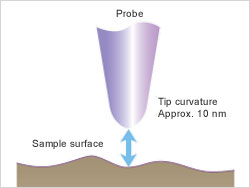
끝 곡률이 10nm 정도의 미세한 탐침 (프로브)을 샘플 표면에 접근 시켜 샘플 사이에 발생하는 역학적 · 전기적 상호 작용을 감지하면서 스캐닝하여 3 차원 적으로 관찰하는 현미경을 총칭하여 프로브 현미경 (SPM)라고 합니다. 대표적인 것으로 탐침과 샘플 표면 사이에 작용하는 인력과 척력을 감지하여 스캔 이미지를 얻는 원자 힘 현미경 (AFM : Atomic Force Microscope)이 있습니다. 나노 수준에서 관찰하는 것으로, 샘플의 모습을 세밀하게 파악할 수 있습니다.
캔틸레버 스캐닝으로 나노를 관찰
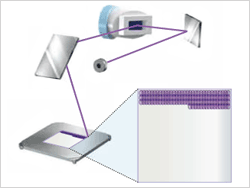
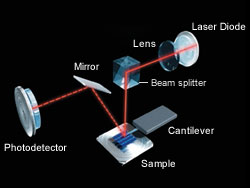
SPM Sensor의 광학 경로
OLS4500은 끝에 탐침 (프로브)을 배치 한 캔틸레버의 미세한 굴곡 량 (변위)를 고감도로 검출하는 광 지렛대 방식을 사용. 레이저 빛을 캔틸레버 후면에 반사시켜 광 검출기의 일정한 위치에 맞게 압전 소자에서 Z축으로 구동시켜 미세한 Z축 방향의 변위를 정확하게 읽습니다.
다양한 모드에서 표면 형상과 물리적 이미지화
폴리머 필름
프로브 현미경의 다양한 모드는 샘플 표면 형상 관찰, 측정, 또한 물리적 특성의 분석이 가능합니다. OLS4500는 다음 모드를 지원합니다.
접촉 모드: 표면 형상을 이미지화 (딱딱한 표면)
다이나믹 모드: 표면 형상을 이미지화 (부드러운 표면, 점성이있는 표면)
위상 모드: 샘플 표면의 물리적 특성의 차이를 이미지화
전류 모드*: 프로브와 샘플 사이에 흐르는 전류를 감지하여 이미지화
표면 전위 모드 (KFM)*: 샘플 표면의 전위를 이미지화
자기력 모드 (MFM)*: 샘플 표면의 자기력 정보를 이미지화
* Optional.
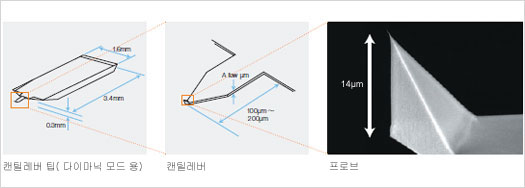
캔틸레버 : 고정밀, 고품질 이미지의 핵심
탐침 (프로브)은 길이 100μm에서 200μm 정도의 얇은 판 모양 캔틸레버 끝으로 형성되어 있습니다. 캔틸레버는 샘플에 따라 용수철 상수, 공진 주파수를 선택합니다. 스캔 반복에 따라 탐침 (프로브)은 마모하기 때문에 필요에 따라 혹은 정기적으로 캔틸레버 팁을 교체합니다.
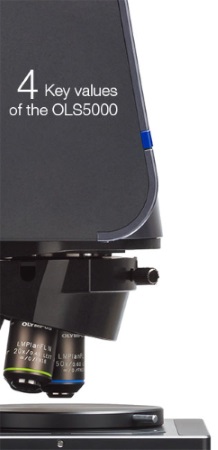
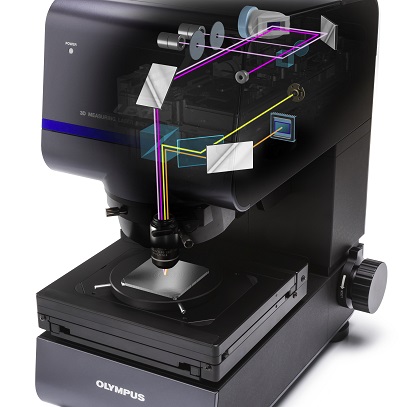
The OLS5000 laser confocal microscope precisely measures shape and surface roughness at the submicron level. Data acquisition that’s four times faster than our previous model delivers a significant boost to productivity.
High-resolution, precise imaging
With the capability to make accurate 3D measurements on a wide range of sample types, the system delivers reliable data for quality assurance and process control.
Excellent lateral resolution
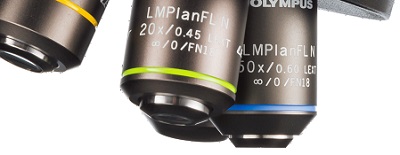
The 405 nm violet laser and dedicated high-NA objectives make it possible to capture fine patterns and defects that conventional optical microscopes, white-light interferometers, or red laser-based microscopes are unable to detect.
Red type (658 nm: 0.26 μm line & space)
Violet type (405 nm: 0.12 μm line & space)
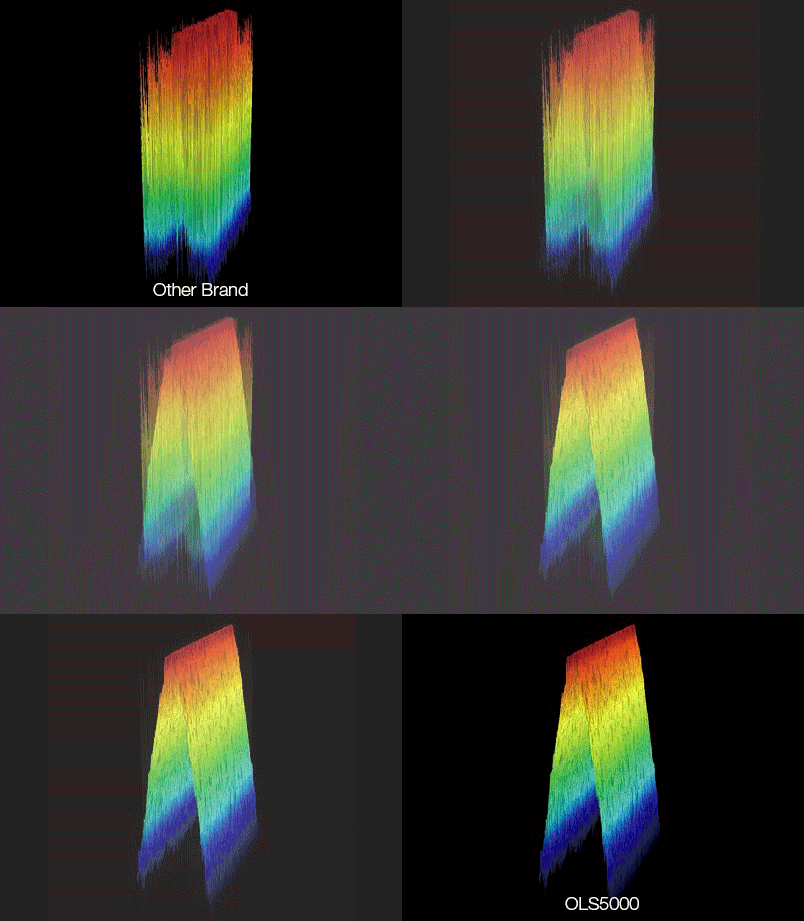
Uniform measurement values
Dedicated LEXT objectives can accurately measure peripheral areas that would otherwise get distorted.
Conventional objectives
LEXT objectives
Newly developed MEMS Scanner
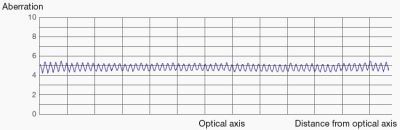
New MEMS scanner performs accurate X-Y scanning with low scan trace distortion and minimal optical aberrations.
4K scan technology
The 4K scan technology scans 4,096 pixels — four times more than our previous model — in the X-axis direction.
The OLS5000 microscope can detect slopes that are almost vertical as well as very low steps without image correction.
Capturing the true shape
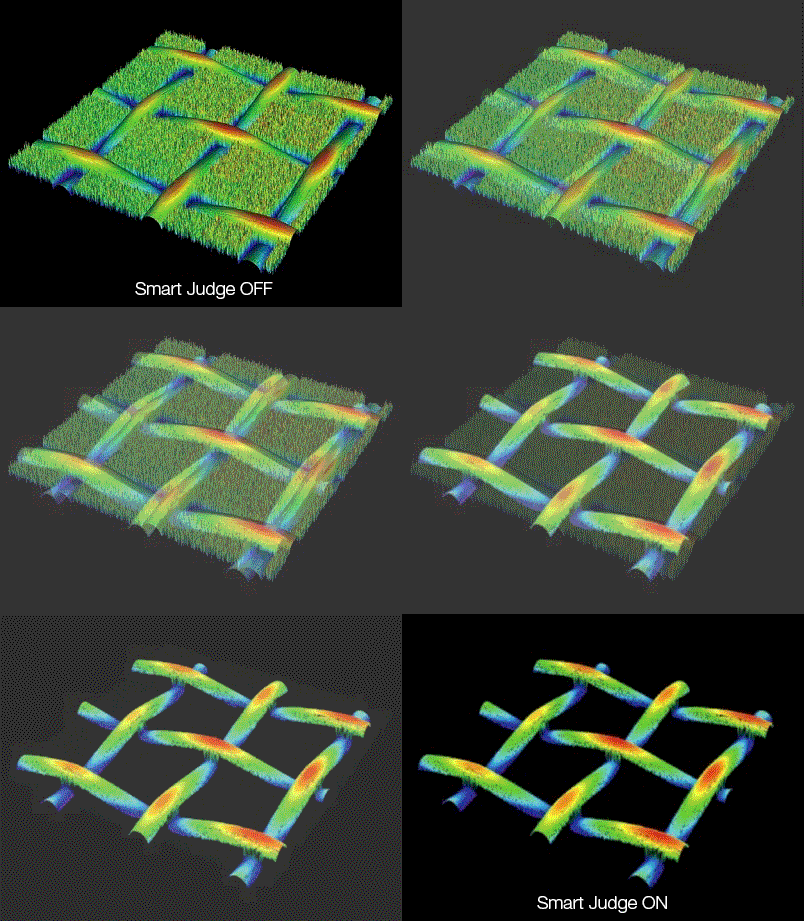
Because conventional laser microscopes use standard image processing techniques such as smoothing to eliminate noise, they sometimes lose accurately measured fine height irregularities along with the noise.
The OLS5000 microscope employs Olympus’ Smart Judge algorithm to automatically detect only reliable data, facilitating accurate measurements without losing fine height irregularity data.
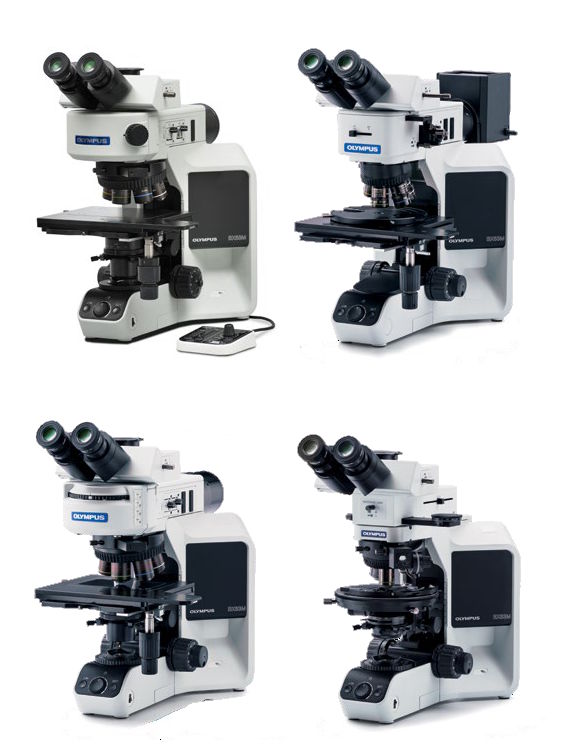
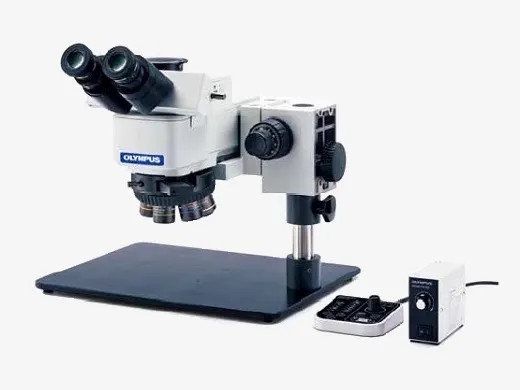
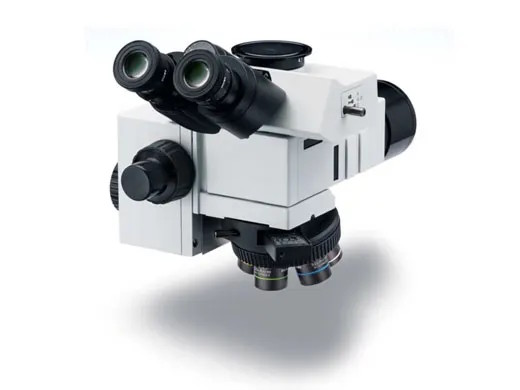
Designed for use in the steel, automotive, electronics, and other manufacturing industries, the GX53 microscope delivers crisp images that can be difficult to capture using conventional microscopy observation methods. When combined with OLYMPUS Stream image analysis software, the microscope streamlines the inspection process from observation to image analysis and reporting.
Fast Inspections, Advanced Functionality
Quickly observe, measure, and analyze metallurgical structures.
Advanced Analysis Tools
1. Combined observation methods produce exceptional images
2. Easily create panoramic images
3. Create all-in-focus images
4. Capture both bright and dark areas
Optimized for Material Science
1. Software designed for materials science
2. Metallurgical analysis that complies with industrial standards
Userfriendly
Even novice operators can comfortably make observations, analyze results, and create reports.
1. Easily restore microscope settings
2. User guidance helps simplify advanced analysis
3. Efficient report generation
Advanced Imaging Technology
Our proven optics and imaging technology deliver clear images and reliable results.
1. Reliable optical performance: wavefront aberration control
2. Clear images: image shading correction
3. Consistent color temperature: high-intensity white LED illumination
4. Precise measurements: auto calibration
Modular
Choose the components you need for your application.
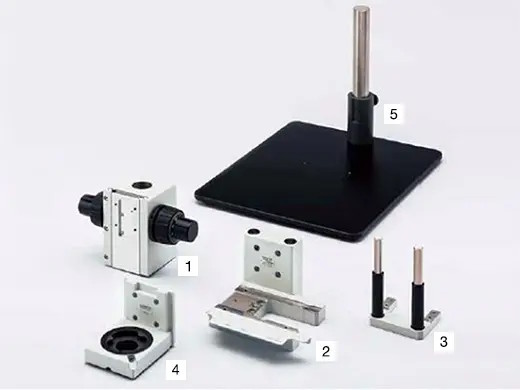
1. Build your system your way: fully customizable system with a variety of optional components






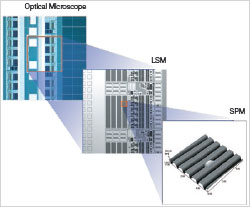 OLS4500은 광학 현미경, 레이저 현미경, 프로브 현미경의 일체형이기 때문에 샘플을 옮길 필요 없이 세 가지의 현미경을 자유 자재로 전환하며 관찰 및 평가가 가능합니다. 각각이 가진 뛰어난 기능으로 효율적인 최적의 결과 값을 얻을 수 있습니다.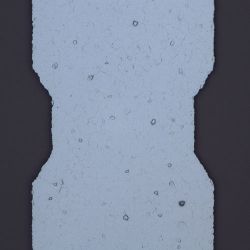
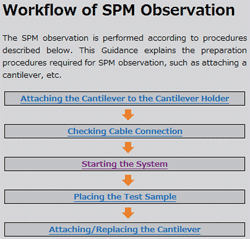 캔틸레버 설치, 스캔 범위 설정 등 프로브 현미경으로 관찰하는 데 필요한 준비는 안내 화면에 따라 수행 할 수 있어, 경험이 적은 사람이라도 안심하고 작업을 할 수 있습니다.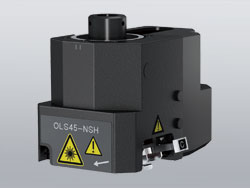

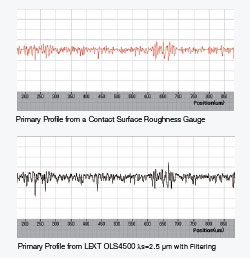 최근 산업 제품의 크기와 무게의 지속적인 감소로, 이를 구성하는 부품도 소형화 되고 있습니다. 이러한 경향은 표면 거칠기 측정뿐만 아니라, 형상 측정에서도 중요성이 증가하고 있습니다. 이러한 시장의 요구를 반영하여 ISO에서 규정하는 3D 표면 질감 측정 장치 (ISO 25178-6)의 목록에 LSM과 AFM을 추가했습니다. 이 비접촉 표면 거칠기 측정은 (삭제) 기존의 접촉 표면 거칠기 측정기와 같은 공식적인 평가 기준으로 인정된다는 것을 의미합니다. OLS4500은 ISO에 적합한 거칠기 파라미터를 제공합니다.